
How Fasting in Ramadan Affects Your Body and Health
Fasting during Ramadan, observed by millions of Muslims worldwide, involves abstaining from food and drink from dawn until sunset for an entire lunar month. This practice not only holds deep spiritual significance but also induces various physiological changes in the body. Understanding these changes provides insight into how our bodies adapt to prolonged periods without food and water.
Metabolic Adjustments: The Science of Fasting in Ramadan
During fasting, the body undergoes several metabolic adaptations to maintain energy balance:
- Energy Source Transition: Initially, the body utilizes glucose stored in the liver and muscles for energy. As fasting continues, it shifts to fat stores, leading to the production of ketone bodies, which serve as alternative energy sources.
- Weight and Body Composition: Studies have shown that Ramadan fasting can lead to reductions in body weight, waist circumference, and body fat percentage. These changes are attributed to decreased caloric intake and increased fat metabolism.
Cardiovascular Health Benefits
Fasting during Ramadan has been associated with improvements in cardiovascular health markers:
- Lipid Profile: Research indicates a decrease in total cholesterol, triglycerides, and low-density lipoprotein cholesterol (LDL-c), alongside an increase in high-density lipoprotein cholesterol (HDL-c). These changes contribute to a reduced risk of cardiovascular diseases.
- Blood Pressure: Observations suggest reductions in both systolic and diastolic blood pressure during Ramadan, which are beneficial for heart health.
Inflammatory and Immune Responses
The science of fasting in Ramadan also extends to its effects on inflammation and immune function:
- Inflammatory Markers: Fasting has been linked to decreased levels of pro-inflammatory cytokines such as IL-6, IL-1β, and TNF-α. Lower concentrations of these markers are associated with a reduced risk of chronic diseases like cardiovascular ailments and certain cancers.
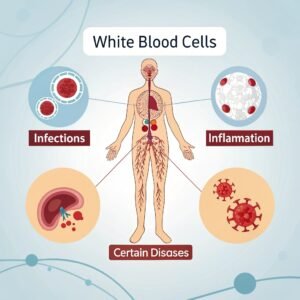
- Immune Cell Counts: Some studies report increases in red and white blood cell counts, as well as platelets, indicating a potential enhancement of immune function during fasting.
Chronobiological and Cognitive Effects
Fasting during Ramadan influences the body’s internal clock and cognitive functions:
- Circadian Rhythms: Alterations in sleep patterns and meal timings can affect the circadian distribution of hormones like cortisol and melatonin, leading to shifts in body temperature and blood glucose levels.
- Cognitive Performance: While some studies have noted reduced alertness and psychomotor performance during fasting hours, others suggest that cognitive functions remain largely unaffected, highlighting the need for further research in this area.
Conclusion
The science of fasting in Ramadan reveals a complex interplay of metabolic, cardiovascular, immune, and cognitive responses. These physiological adaptations demonstrate the body’s remarkable ability to maintain balance and function during periods of food and water abstinence. While many studies highlight potential health benefits, individual experiences may vary, and those with existing health conditions should consult healthcare professionals before undertaking prolonged fasting.
NOTE: – IT IS ALWAYS RECOMMENDED TO CONSULT YOUR HEALTH CARE PROFESSIONAL. ALL DATA SHARED HERE ARE FOR EDUCATIONAL PURPOSES ONLY.
https://pubmed.ncbi.nlm.nih.gov/26013791/
https://pmc.ncbi.nlm.nih.gov/articles/PMC4274578/?utm_source=chatgpt.com
https://pubmed.ncbi.nlm.nih.gov/15452402/?utm_source=chatgpt.com