Malaria is a life-threatening disease that affects millions of people worldwide, especially in tropical and subtropical regions. Caused by parasites transmitted through mosquito bites, it can lead to severe fever, chills, and even death if not treated early. The good news? Malaria is preventable and treatable. Let’s understand how it spreads and the best ways to protect ourselves. Malaria: Symptoms, Risks & How to Stay Safe.
What is Malaria? Malaria: Symptoms, Risks & How to Stay Safe
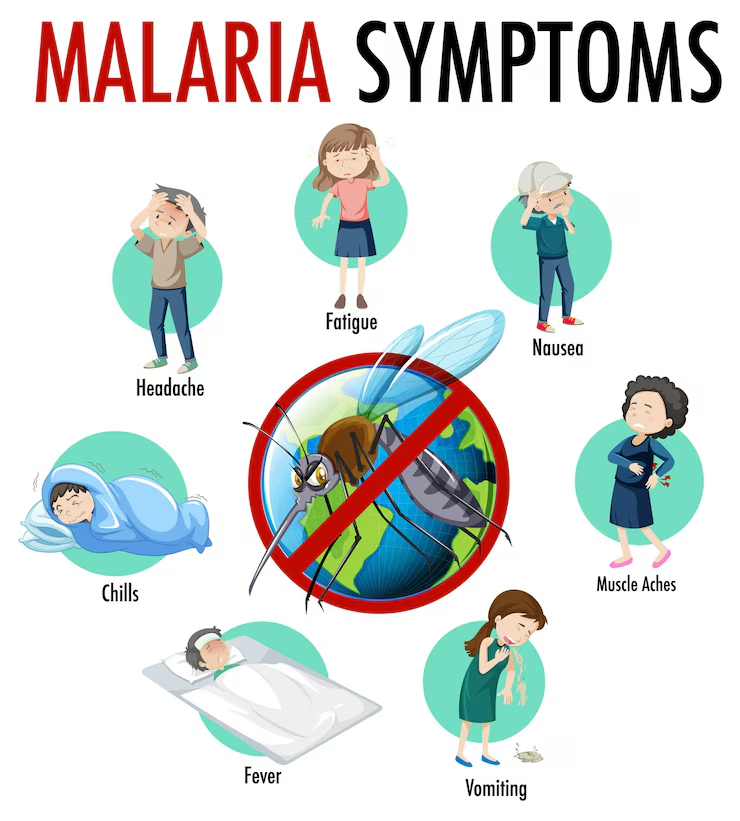
Malaria is brought about by Plasmodium parasites, which enter the body of a human being through an infected female Anopheles mosquito’s bite. While within, the parasites infect red blood cells and multiply in the liver, resulting in the following symptoms:
- High fever
- Chills and sweating
- Headaches and muscle pain
- Fatigue and weakness
- Nausea and vomiting
It can lead to organ failure, anemia, or even death in severe cases, especially in young children and pregnant women.
How Can We Prevent Malaria?
Prevention is the best method of combating malaria. The following are some of the effective prevention techniques:
- Use Mosquito Nets
Slept under insecticide-treated nets (ITNs), mosquitoes are avoided and bites reduced.
- Apply Insect Repellents
Apply repellents with DEET, picaridin, or natural oils such as lemon eucalyptus on the exposed skin.
- Wear Protective Clothing
Long-sleeved clothing and long pants, particularly in the night, can reduce mosquito bites.
- Eliminate Stagnant Water
Mosquitoes lay eggs in stagnant water. Periodically drain flowerpots, gutters, and containers to limit breeding.
- Use Antimalarial Medicines
If you plan to travel to high-risk regions, see a doctor for prophylactic antimalarial medication.
- Indoor Spraying
Insecticide sprays within houses can eradicate mosquitoes and reduce transmission levels.
Early Diagnosis and Treatment
Malaria symptoms should be treated immediately. Quick diagnostic tests and effective treatments (such as Artemisinin-based therapy) can cure malaria if detected early.
Conclusion: Malaria is still a significant health issue, but with awareness and prevention, we can minimize its effects. Simple measures such as the use of mosquito nets, repellents, and maintaining cleanliness in the surroundings can save lives. We can combat malaria and safeguard our communities together.
NOTE: – IT IS ALWAYS RECOMMENDED TO CONSULT YOUR HEALTH CARE PROFESSIONAL. ALL DATA SHARED HERE ARE FOR EDUCATIONAL PURPOSES ONLY.