A Sweetener Solution for Expecting Moms? Is Monk Fruit Safe During Pregnancy?
Pregnancy cravings can be overwhelming, and many expectant moms look for healthier sugar alternatives. One option that’s gaining popularity is monk fruit sweetener—a natural, zero-calorie choice. But is it safe during pregnancy? Let’s explore what the research says so you can make an informed decision.
What Is Monk Fruit, and Is It Safe During Pregnancy?
Monk fruit, also known as Luo Han Guo, is a small green melon native to Southeast Asia. Its extract delivers intense sweetness—200 to 300 times sweeter than sugar—without adding calories or carbs. That makes it especially appealing for those monitoring blood sugar levels during pregnancy.
While monk fruit offers benefits, especially compared to artificial sweeteners, it’s still important to use it mindfully. Let’s look closer at its safety profile for pregnancy.
The Good News: No Known Risks:
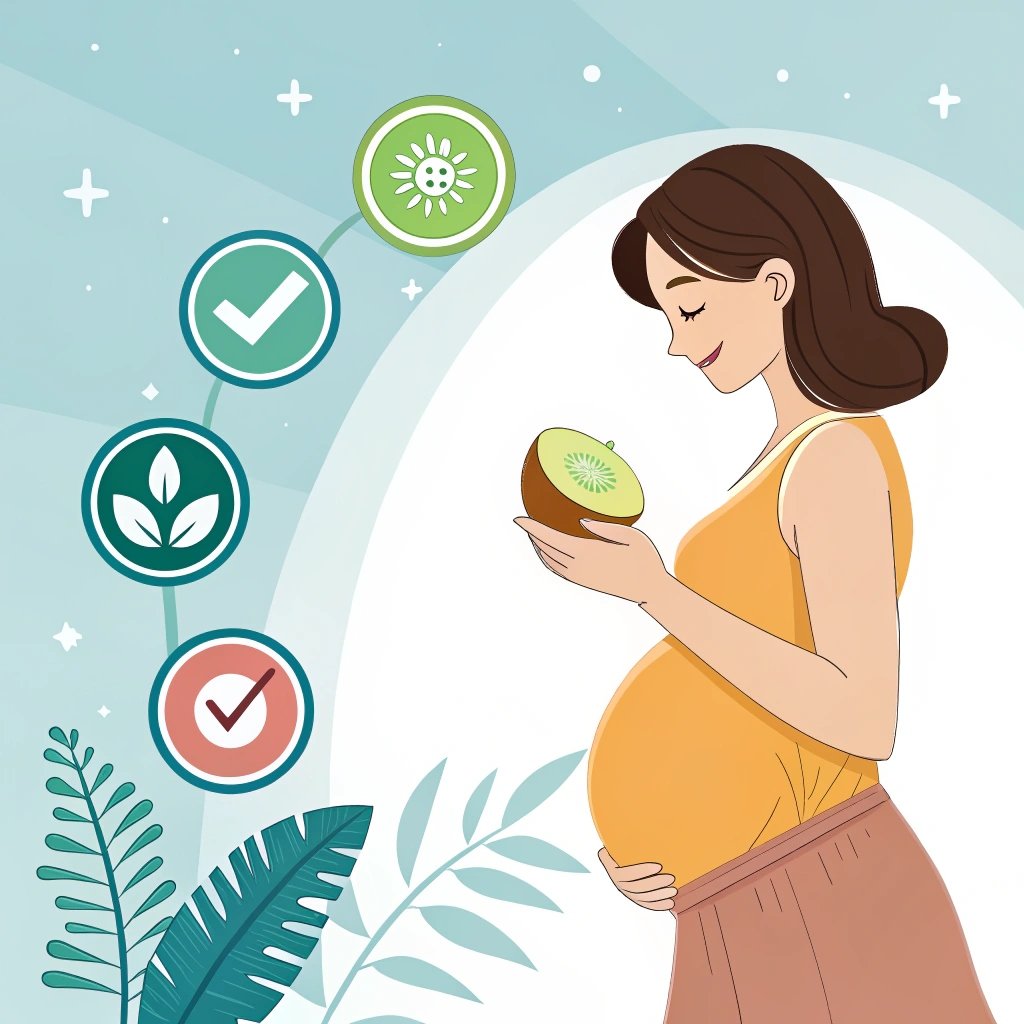
Existing studies indicate that monk fruit is probably safe during pregnancy because:
✔ No harmful chemicals – In contrast to artificial sweeteners, it’s an all-natural extract.
✔ No impact on blood sugar – Excellent for managing gestational diabetes.
✔ No established toxicity – Research (primarily in animals) reveals no negative effects.
But, because human research is limited, moderation is advised by some experts.
Potential Issues to Keep in Mind:
- Purity counts – Commercial monk fruit products may be filled with additives such as erythritol (a sugar alcohol that can cause bloating).
- Allergies – While unlikely, a few individuals might be sensitive to monk fruit.
- Lack of long-term studies – There is a need for more studies regarding its impact during pregnancy.
Healthier Ways to Use Monk Fruit:
If You Opt for Monk Fruit When Pregnant:
✅ Choose 100% pure monk fruit extract—always check the label for hidden additives.
✅ Start with small amounts to see how your body responds.
✅ Use it in moderation, just like any other sweetener.
The Bottom Line:
Monk fruit appears to be a safe, natural sweetener for pregnant women, especially when compared to artificial alternatives. However, since research is still evolving, consult your doctor before making it a regular part of your diet.
NOTE: – IT IS ALWAYS RECOMMENDED TO CONSULT YOUR HEALTH CARE PROFESSIONAL. ALL DATA SHARED HERE ARE FOR EDUCATIONAL PURPOSES ONLY.