
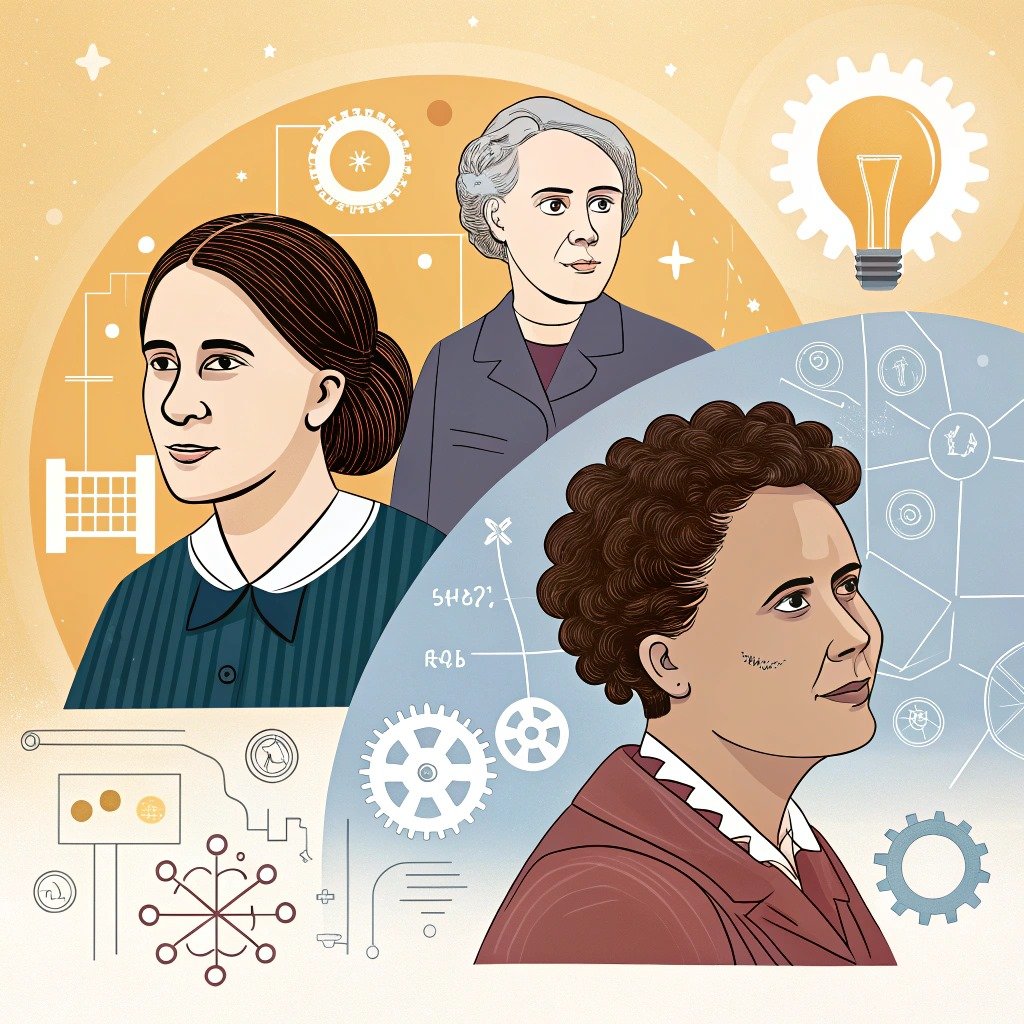
Celebrating the Legacy of Women Inventors Who Changed History
When we think of great inventors, names like Thomas Edison or Alexander Graham Bell often come to mind. But what about the brilliant women whose innovations shaped the world? Women inventors who changed history have revolutionized industries, improved lives, and overcome societal barriers to leave a lasting impact.
From the 19th century to modern times, women have been behind many groundbreaking inventions. Their contributions span across healthcare, technology, safety, and more—proving that innovation knows no gender.
Women Inventors Who Changed History in Science and Medicine
One of the most iconic women inventors is Marie Curie, who developed the theory of radioactivity and paved the way for cancer treatment through radiation. Her work earned her two Nobel Prizes—making her the first person to achieve this feat.
Another pioneer, Dr. Virginia Apgar, created the Apgar Score in 1952. This quick test assesses the health of newborns immediately after birth and is still used in hospitals worldwide. Her invention saved countless infant lives by improving early detection of birth complications.
Fast forward to modern times, Dr. Ann Tsukamoto helped patent the process for isolating human stem cells, a discovery that fuels regenerative medicine and cancer research today.
Women Inventors Who Changed History in Everyday Life
Stephanie Kwolek invented Kevlar—a material five times stronger than steel—used in bulletproof vests, helmets, and even spacecraft. Her discovery has saved millions of lives.
Mary Anderson, in 1903, invented the windshield wiper. Though simple, it’s now a standard feature in every vehicle. And Melitta Bentz, a German housewife, created the coffee filter in 1908, forever changing how we brew coffee.
These women didn’t just invent—they transformed how we live, work, and survive.
🩺 Healthcare Note:
While we celebrate innovation, remember that many women today continue contributing to health tech, diagnostics, and medical breakthroughs. Supporting gender diversity in STEM leads to better solutions for all.