The Sweet Truth Behind a Smart Sugar Alternative
When it comes to choosing a sugar substitute, health-conscious individuals often wonder, Monk Fruit: Keto & Diabetic Safe? With the rise of low-carb lifestyles and the increasing number of people managing diabetes, it’s essential to find sweeteners that don’t spike blood sugar or interfere with ketosis. Monk fruit sweetener checks many of the right boxes—and here’s why.
Why Monk Fruit: Keto & Diabetic Safe? Matters
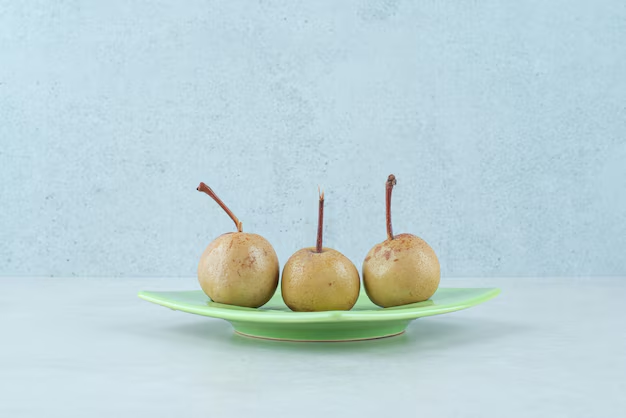
Monk fruit, also known as Luo Han Guo, is a small green melon from Southeast Asia. The sweetener is made by extracting mogrosides, natural compounds that are hundreds of times sweeter than sugar but contain zero calories and zero carbohydrates. For those following a ketogenic diet, this is a game-changer. Since monk fruit does not raise blood glucose levels, it allows the body to remain in ketosis—a fat-burning metabolic state.
Even better, monk fruit is diabetic-friendly. Unlike sugar and some artificial sweeteners, it doesn’t cause insulin spikes. This means people with type 1 or type 2 diabetes can enjoy monk fruit-sweetened foods without worrying about sudden changes in blood sugar. Many studies have shown that monk fruit extract has antioxidant and anti-inflammatory properties, adding another layer of benefit.
How to Use Monk Fruit: Keto & Diabetic Safe? In Daily Life
Monk fruit sweetener is versatile. You can add it to your morning coffee, sprinkle it over oatmeal, or bake it into low-carb treats. Since it’s heat-stable, it works well in cooking and baking. When buying monk fruit products, look for pure monk fruit or blends with erythritol for a sugar-like texture and taste.
Always read labels—some commercial blends include hidden sugars or fillers that may impact ketosis or blood sugar. Pure monk fruit is your safest bet.
For order visit: www.izagnutri.com
Healthcare Note:
Consult your doctor before switching to any sugar substitute, especially if you are managing diabetes or following a specific dietary plan.