
“Understanding the Impact of Screen Light on Sleep Quality”
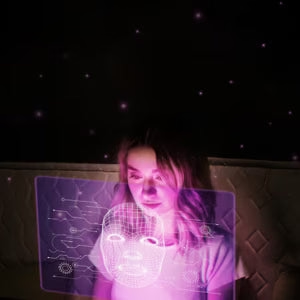
In today’s digital age, screens have become an integral part of our daily lives. However, their impact on sleep is often overlooked. Screen light disrupts sleep by interfering with the body’s natural production of melatonin, a hormone crucial for regulating sleep-wake cycles. Here’s how it happens:
- Inhibition of Melatonin Production
When you expose yourself to screen light, especially blue light emitted by devices like smartphones, tablets, and computers, it signals your brain to reduce melatonin production. This suppression makes it harder for you to fall asleep and stay asleep throughout the night.
- Altered Circadian Rhythm
Screen light disrupts sleep by affecting your circadian rhythm, the body’s internal clock that tells you when to sleep and wake up. Exposure to artificial light late in the evening confuses this natural cycle, leading to delayed sleep onset and reduced overall sleep quality.
- Increased Alertness: Screen Light Disrupts Sleep
The blue light from screens increases alertness, making you feel more awake when you should be winding down. This heightened state of alertness can prolong the time it takes to fall asleep, further disrupting your sleep patterns.
- Poor Sleep Quality:
Even if you manage to fall asleep, the suppression of melatonin and altered circadian rhythm often result in fragmented sleep. This means you may experience frequent awakenings or lighter sleep stages, leaving you feeling less rested.
- Long-Term Health Effects
Chronic exposure to screen light at night not only disrupts sleep but can also lead to long-term health issues. Poor sleep has been linked to increased risks of obesity, diabetes, cardiovascular diseases, and mental health disorders.
In conclusion, screen time inhibiting melatonin production, altering circadian rhythms, and increasing alertness. To improve your sleep quality, consider reducing screen time before bed or using blue light filters.
NOTE: – IT IS ALWAYS RECOMMENDED TO CONSULT YOUR HEALTH CARE PROFESSIONAL. ALL DATA SHARED HERE ARE FOR EDUCATIONAL PURPOSES ONLY.
Social Share:
