Expert and Global Perspectives
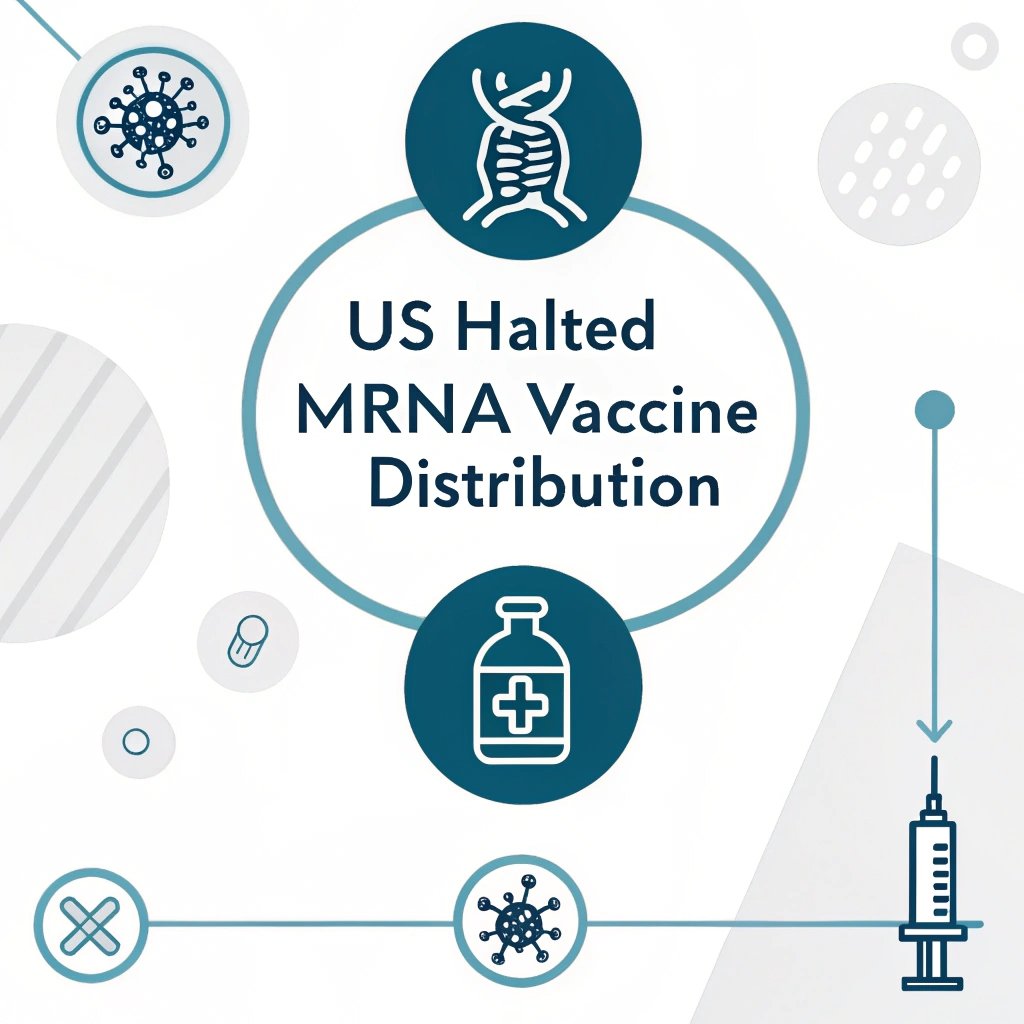
Governments sometimes reverse course on health strategies, and this decision reflects that reality. Why the US Stopped mRNA Vaccines is rooted in a mix of scientific caution, political beliefs, and public sentiment. In August 2025, Health Secretary Robert F. Kennedy Jr. announced that the U.S. would terminate about $500 million in mRNA vaccine development, ending 22 projects overseen by BARDA (“Why the US Stopped mRNA Vaccines” as the strategy shifted). He claimed that these vaccines posed “more risks than benefits” and failed to control respiratory viruses like COVID-19 and flu.
Why the US Stopped mRNA Vaccines: Government-led Rationale
Kennedy argued that mRNA platforms struggled with efficacy against upper-respiratory infections, and thus posed unnecessary risks. Meanwhile, NIH Director Jay Bhattacharya added that the public’s growing distrust made the platform non-viable for widespread vaccine deployment. He framed mRNA as “promising” yet not ready for prime time in this context.
Why the US Stopped mRNA Vaccines: Expert and Global Perspectives
However, many scientists strongly disagree. Johns Hopkins experts highlighted that mRNA vaccines were safe, effective, and vital for pandemic preparedness—particularly because of their rapid adaptability to emerging threats. They warned that these funding cuts undercut U.S. readiness and risked public health outcomes.
Globally, WHO called the move a significant blow to a promising technology, while experts warned that other countries—like those in Europe, Japan, and India—are accelerating their mRNA research efforts. Nobel-winning mRNA pioneer Katalin Karikó criticized the decision sharply, warning that it jeopardizes U.S. scientific leadership and pandemic preparedness.
Some institutions, such as Texas Biomed, cautioned that cutting mRNA research would cost lives and stifle innovation in infectious diseases and cancer treatments. Additionally, cancer researchers fear that the chilling effect on mRNA funding may derail promising cancer vaccine trials.
Conclusion
In summary, Why the US Stopped mRNA Vaccines stems from government concerns over public trust and perceived safety, yet experts warn that the decision represents a major setback in both public health readiness and scientific innovation. Going forward, the debate will likely focus on balancing public skepticism with the undeniable potential of mRNA technology.
NOTE: – IT IS ALWAYS RECOMMENDED TO CONSULT YOUR HEALTH CARE PROFESSIONAL. ALL DATA SHARED HERE ARE FOR EDUCATIONAL PURPOSES ONLY.