
BMI Explained: What It Is and Why It Matters: What Your BMI Number Really Means
What Is BMI and Should You Care About It?
You’ve likely come across the term “BMI”—whether at a doctor’s visit, in fitness apps, or on your smart scale. But what exactly does it mean, and more importantly, should you care about it? Let’s break it down in simple terms.
What Is BMI? What Your BMI Number Really Means
BMI (Body Mass Index) offers a quick estimate of whether your weight is appropriate for your height. It uses a simple formula:
BMI = Weight (kg) / Height (m²)
(Or Weight (lbs) ÷ Height (in²) × 703 for imperial units)
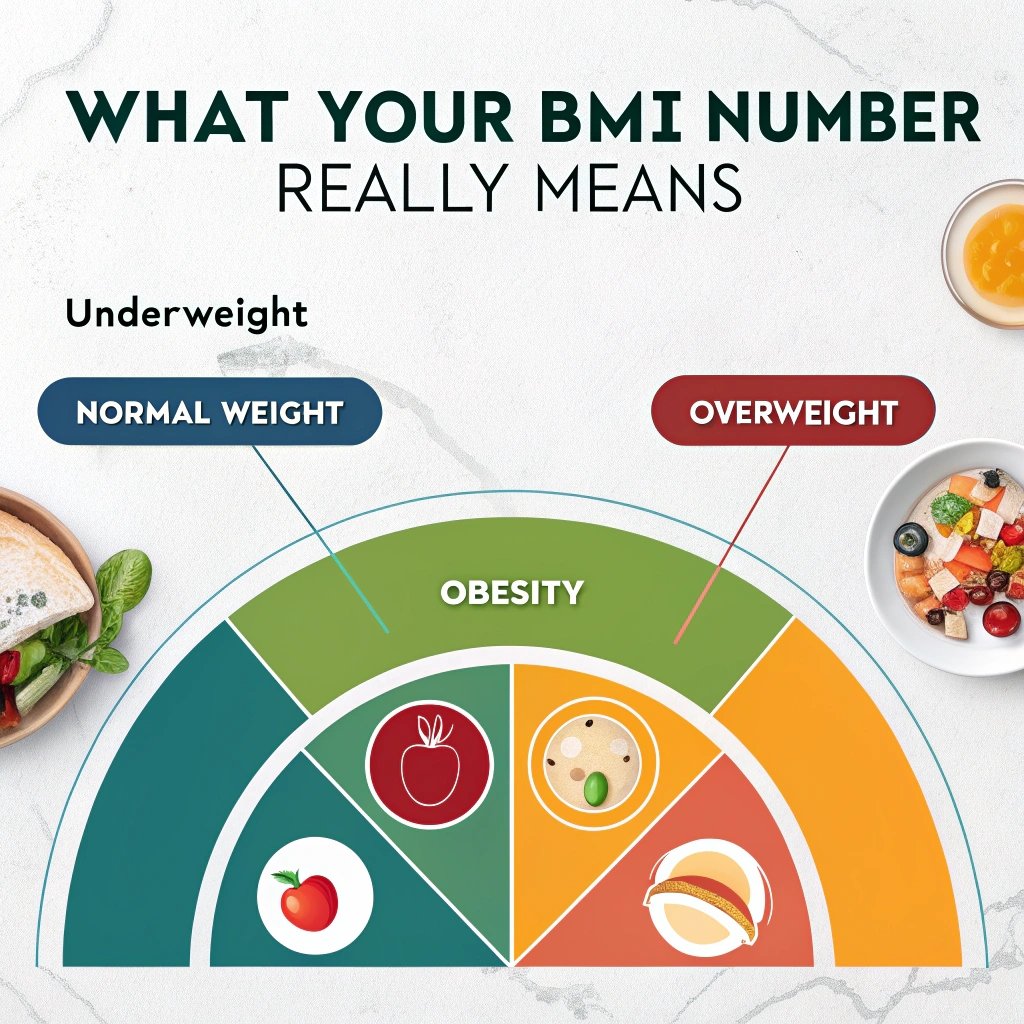
Based on the result, you fall into one of four categories:
-
Underweight – Below 18.5
-
Normal weight – 18.5 to 24.9
-
Higher weight – 25 to 29.9
-
Higher weight person – 30 and above
Why BMI Still Matters
Though not perfect, BMI provides a fast and easy snapshot of your health. Medical professionals use it to flag possible weight-related health risks. Additionally, it’s often the first step in designing fitness or nutrition plans. Higher BMI values are linked to conditions like heart disease, diabetes, and joint problems, which makes it a useful tool for early detection.
Where BMI Falls Short
Despite its usefulness, BMI doesn’t tell the whole story. For example, a muscular person may score high on the BMI scale while having very low body fat. Similarly, factors like bone density, age, gender, and body shape don’t factor into the equation. So, the number alone can be misleading.
Should You Trust Your BMI?
While BMI offers a starting point, it’s not the final answer. To get a more accurate picture of your health, consider additional factors:
-
Waist circumference – A high waistline can indicate higher visceral fat.
-
Body fat percentage – Especially important for active individuals.
-
Your overall well-being – Energy levels, strength, and how you feel day to day.
Final Thoughts
BMI is a helpful guideline, not a definitive diagnosis. Use it as part of a broader approach to health. If you’re unsure about what your BMI means for you, consult a doctor or nutrition expert. In the end, health is about more than just numbers—it’s about how you live, move, and feel every day.
NOTE: – IT IS ALWAYS RECOMMENDED TO CONSULT YOUR HEALTH CARE PROFESSIONAL. ALL DATA SHARED HERE ARE FOR EDUCATIONAL PURPOSES ONLY.