Understanding What to Do for Acne
Acne is one of the most common skin concerns worldwide, affecting both teenagers and adults. When people ask what to do for acne, the answer is not a single step but a combination of clean habits, skincare, and lifestyle changes. Government-backed health sources like the U.S. National Institutes of Health (NIH) highlight that acne develops when oil, bacteria, and dead skin cells block pores, leading to pimples, blackheads, or cysts. The good news is, with consistent care, acne can be managed effectively.
Daily Skincare:
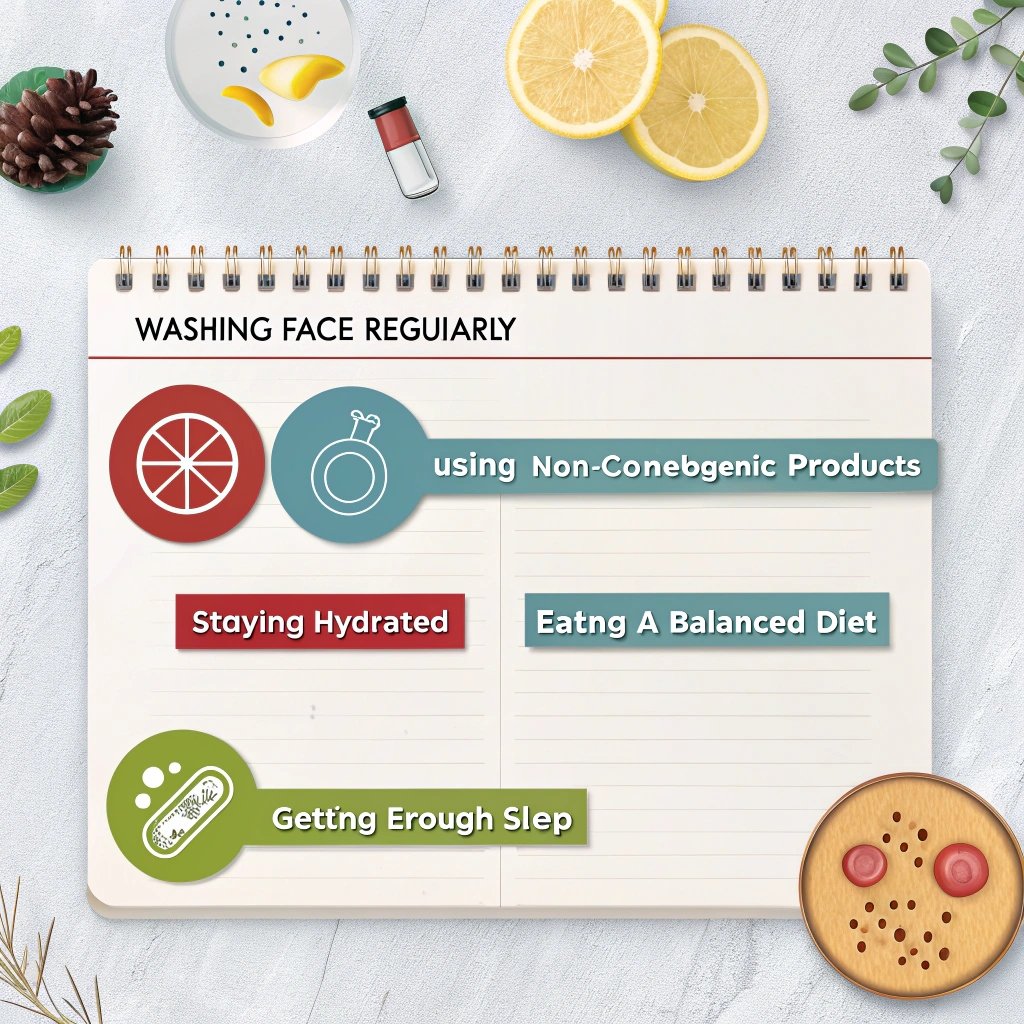
First, adopt a gentle skincare routine. Wash your face twice a day with a mild cleanser to remove excess oil and dirt. Avoid scrubbing harshly as it can irritate the skin. Use non-comedogenic moisturizers and sunscreens to protect your skin without clogging pores. Over-the-counter treatments with ingredients like benzoyl peroxide or salicylic acid, recommended by dermatologists, can reduce inflammation and kill bacteria.
Lifestyle Habits: What to Do for Acne
Second, focus on lifestyle changes. Drink plenty of water to keep your skin hydrated and eat a balanced diet rich in fruits, vegetables, and lean proteins. Limit sugary and processed foods, as research shows high-glycemic diets may worsen acne. Stress management is also crucial because stress hormones can increase oil production, leading to breakouts. Regular exercise improves blood circulation and helps flush out toxins, supporting overall skin health.
When to Seek Medical Help
If acne persists despite home care, consult a dermatologist. Prescription medications such as topical retinoids, antibiotics, or hormonal treatments may be necessary. Early treatment prevents acne scars and boosts confidence.
Healthcare Note
Healthy skin requires patience and consistency. Never pick or squeeze pimples, as this can worsen inflammation and cause permanent scarring. Always seek professional advice for severe or painful acne.