
White Blood Cells: What Is the Ideal White Blood Cell Count? What Is the Ideal White Blood Cell Count?
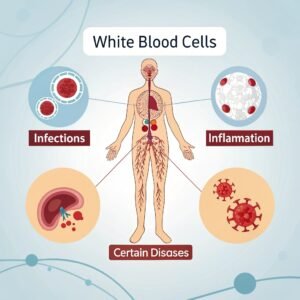
White blood cells (WBCs) act as your body’s frontline defense, constantly fighting off infections and maintaining overall health. When their levels move outside the normal range, however, it could be a sign of underlying health concerns. This leads to a common question: what is a healthy WBC count, and what can it reveal about your well-being? Let’s explore what your WBC numbers really mean—and why they matter. What Is the Ideal White Blood Cell Count?
What’s a Normal White Blood Cell Count?
Typically, a healthy WBC count ranges between 4,000 and 11,000 cells per microliter of blood. However, this range isn’t set in stone. It can vary slightly depending on factors such as age, gender, and the laboratory’s reference standards. Understanding where you fall within this range can provide valuable insight into your immune system’s status.
Types of White Blood Cells and Their Roles
Not all white blood cells are the same. In fact, each type plays a specific role in protecting your body:
-
Neutrophils (40–60%) – Primarily fight bacterial infections.
-
Lymphocytes (20–40%) – Target viruses and produce antibodies.
-
Monocytes (2–8%) – Clean up dead cells and fight germs.
-
Eosinophils (1–4%) – Respond to allergens and parasites.
-
Basophils (0.5–1%) – Help trigger inflammation during immune responses.
What Happens If Your WBC Count Is Too High or Too Low?
High WBC Count (Over 11,000) – Leukocytosis
An elevated WBC count may stem from various causes. For example, infections—either bacterial or viral—can trigger a temporary spike. Additionally, chronic inflammation (like in arthritis), physical or emotional stress, and certain medications such as steroids may also lead to leukocytosis.
Low WBC Count (Below 4,000) – Leukopenia
On the other hand, a low WBC count can result from viral infections such as the flu or HIV. Autoimmune disorders like lupus, deficiencies in nutrients like vitamin B12 or folate, and treatments such as chemotherapy or radiation may also contribute to leukopenia.
When Should You Be Concerned? What Is the Ideal White Blood Cell Count?
A slightly high or low WBC count isn’t necessarily alarming. In many cases, fluctuations are short-lived and related to stress or minor illnesses. However, if your WBC levels remain abnormal for an extended period, it may signal a more serious issue. At that point, your doctor might run additional tests to check for conditions such as leukemia, bone marrow diseases, or severe infections.
How to Maintain a Healthy WBC Count
Supporting your immune system starts with lifestyle. Begin by eating a nutrient-rich diet that includes vitamins C, B12, and zinc. Regular physical activity is also important, though it’s best to avoid overtraining. Alongside this, prioritize 7–9 hours of sleep each night to allow your body to recover and regulate immunity. Furthermore, managing stress through meditation or deep breathing can reduce immune strain. Finally, staying away from smoking and limiting alcohol intake can help protect your white blood cell function.
Conclusion
Your white blood cell count offers valuable insight into your overall health. While occasional changes are normal, consistently high or low levels may require medical evaluation. If you find yourself frequently ill, unusually tired, or just not feeling right, a simple blood test can help identify any issues. The good news? By embracing healthy habits, you can strengthen your immune system and help your body stay in top form.
NOTE: – IT IS ALWAYS RECOMMENDED TO CONSULT YOUR HEALTH CARE PROFESSIONAL. ALL DATA SHARED HERE ARE FOR EDUCATIONAL PURPOSES ONLY.