Understanding the Root and the Road Ahead for Nearsightedness
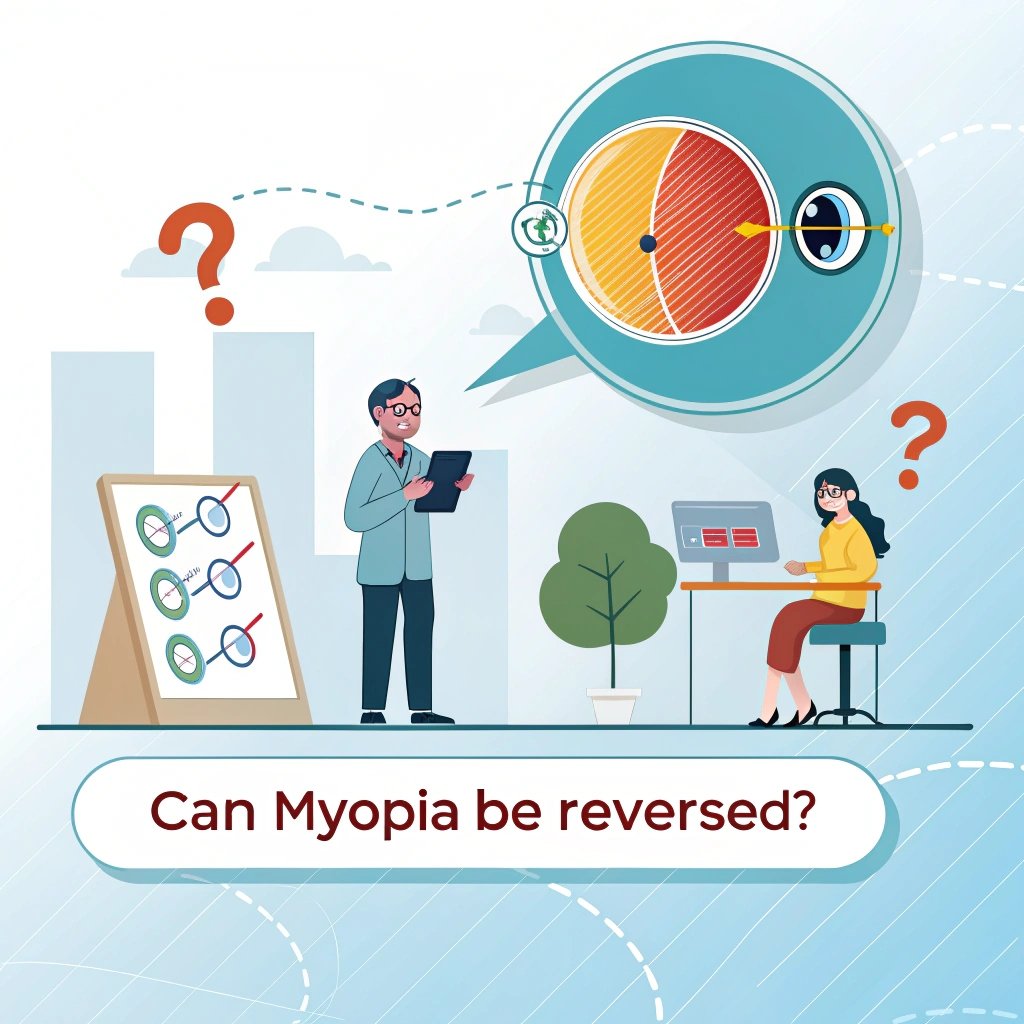
What is Myopia? Can Myopia Be Reversed? These two questions are becoming more common as cases of nearsightedness rise sharply among both children and adults. Myopia is a vision condition where close objects appear clear, but distant ones look blurry. It occurs when the eyeball is too long or the cornea curves too steeply, causing light to focus in front of the retina instead of directly on it.
According to the National Eye Institute (NEI), part of the U.S. National Institutes of Health (NIH), myopia has nearly doubled in the past few decades, especially due to excessive screen time and reduced outdoor exposure. Genetics also plays a key role, but lifestyle is now a major driver in this growing public health concern.
Can Myopia Be Reversed Through Natural or Medical Interventions?
While myopia can’t be fully reversed, researchers have made progress in slowing its progression. Treatments like low-dose atropine eye drops, orthokeratology (overnight reshaping lenses), and FDA-approved myopia control lenses such as MiSight® show strong results in children.
A ClinicalTrials.gov study found that low-dose atropine slowed myopia progression by 50–60% over two years. Orthokeratology and soft myopia control lenses also help. They reshape the cornea temporarily, improve vision during the day, and reduce long-term eye changes.
Can Myopia Be Reversed or Just Controlled Over Time?
Experts agree early detection and intervention are key. Increasing time spent outdoors — ideally two hours daily — helps reduce onset risk, according to WHO and NIH-supported studies. While full reversal is not currently possible, combining treatments with lifestyle changes gives the best outcome for preserving long-term vision.
Healthcare Note:
If you or your child experience blurry distance vision, consult an eye care professional promptly. Early diagnosis is critical for effective myopia management and to reduce the risk of complications like retinal detachment or glaucoma.