In the Moment: What Claustrophobia Feels Like During a Trigger
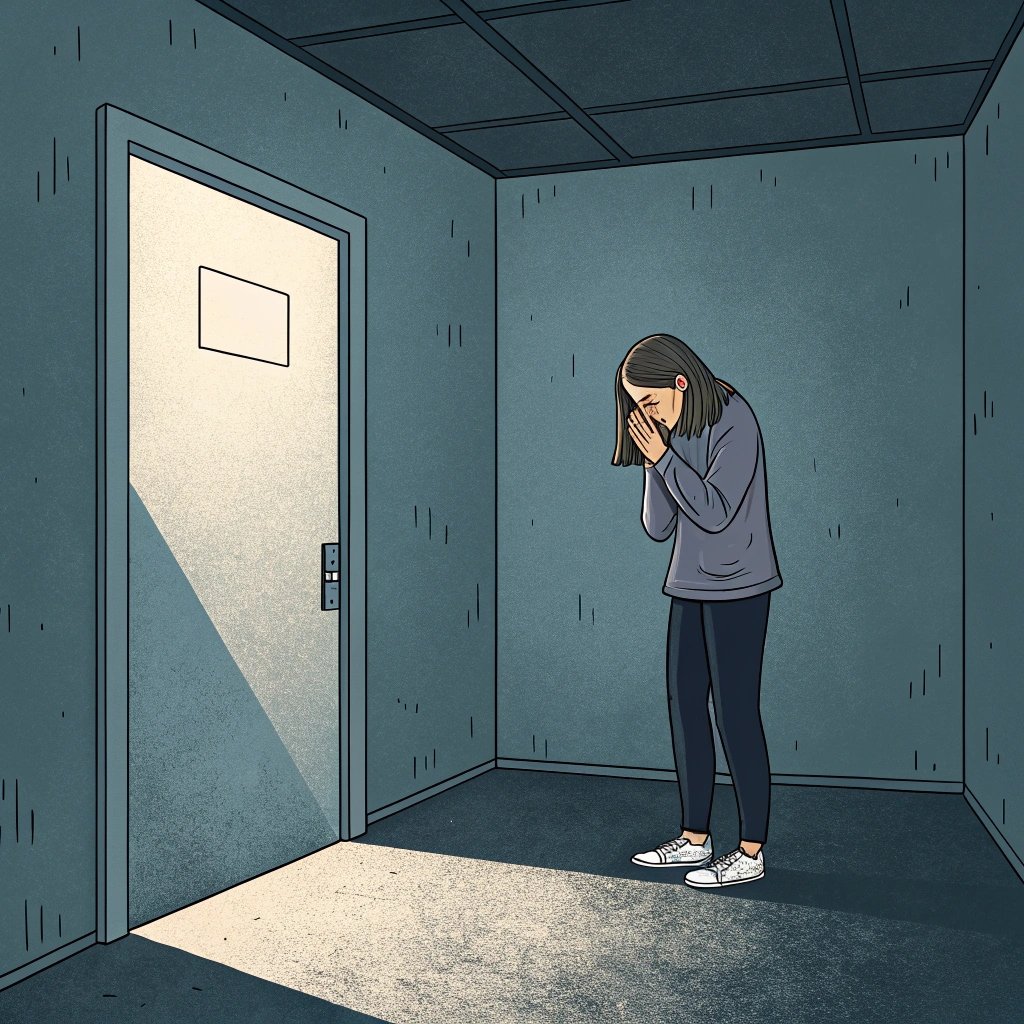
Imagine walking into an elevator, and within seconds, your heart races, your chest tightens, and it feels like the walls are closing in. That overwhelming panic, despite being in a safe space, is what claustrophobia feels like. For many, it’s not just a fear of small spaces—it’s a sudden, intense reaction that hijacks both body and mind.
Physical Responses: What Claustrophobia Feels Like Inside Your Body
When a person experiences claustrophobia, the body quickly enters “fight or flight” mode. The pulse quickens, breathing becomes shallow, and sweat pours without warning. Some feel dizzy, nauseous, or lightheaded. Even though the environment might not be dangerous, the brain perceives a serious threat. That’s what claustrophobia feels like—a real, physical emergency triggered by something as simple as a crowded room or locked door.
The body reacts instantly, and logic fades away. A person might feel desperate to escape, even if doing so would be socially awkward or disruptive. This need to “get out” overrides reason, often leaving people feeling embarrassed or misunderstood afterward.
Emotional Impact: What Claustrophobia Feels Like on the Inside
Emotionally, claustrophobia can be isolating. People often avoid situations where a panic attack might occur—like elevators, airplanes, or crowded public restrooms. This avoidance can shrink their daily freedom and social life. Fear of being judged for their reactions can add shame or anxiety, making it harder to speak up or seek help.
The condition doesn’t always follow logic. A person may feel fine in a packed train one day but panic in a small fitting room the next. The unpredictability adds more stress.
Healthcare Note:
If claustrophobia interferes with your daily life, talk to a mental health professional. Cognitive-behavioral therapy (CBT), exposure therapy, and relaxation techniques can significantly reduce symptoms.