
Temporary vs. Chronic Increases in WBC
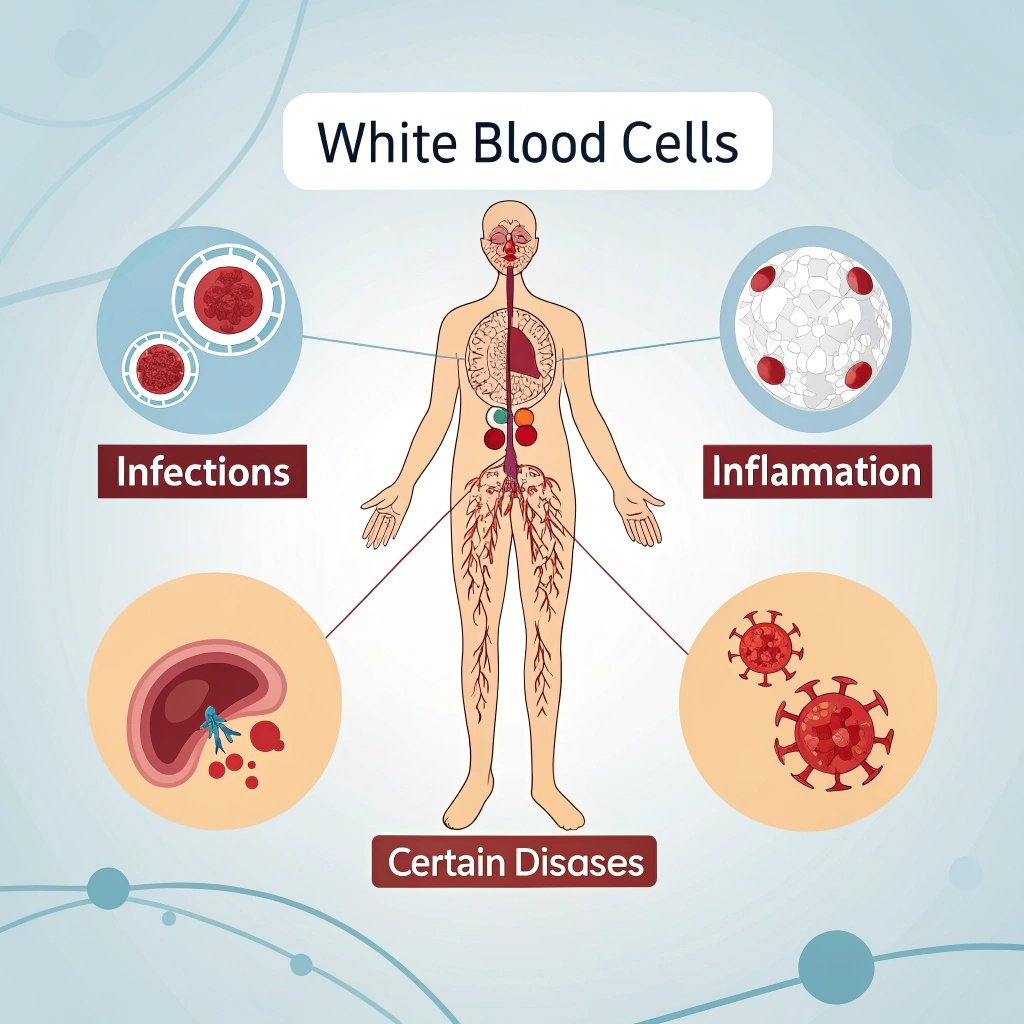
White blood cells (WBCs) are vital to the immune system, defending the body against infections and foreign invaders. An increase in WBCs, called leukocytosis, can result from various causes. Identifying these causes is key to diagnosing underlying health issues. Research from credible sources like the CDC and NIH highlights several factors that can raise WBC levels.
-
Infections and Inflammation: Common Triggers of WBC Increase
The most common cause of an increase in white blood cells is the presence of an infection. Whether it’s a bacterial, viral, or fungal infection, your body naturally boosts WBC production to fight off these invaders. Neutrophils, a type of white blood cell, are often the first responders, arriving at the infection site to neutralize harmful bacteria. According to the National Institutes of Health (NIH), this increased production of WBCs is a direct response to help restore health and manage infection.
In addition to infections, inflammation also plays a major role. Conditions like rheumatoid arthritis or inflammatory bowel disease can trigger chronic inflammation, leading to sustained high levels of WBCs. The body’s immune response is designed to fight and manage ongoing inflammation, often by producing more white blood cells to control the situation.
-
Stress, Exercise, and Physical Trauma
Increased white blood cells are not always a sign of illness. Physical stress, intense exercise, or trauma can also cause WBC levels to rise. According to research from the Centers for Disease Control and Prevention (CDC), these physiological stressors prompt the body to release adrenaline and other chemicals that, in turn, stimulate white blood cell production. This is a temporary rise and usually returns to normal once the stressor is removed.
-
Leukemia and Bone Marrow Disorders
In some cases, a persistent increase in white blood cells can indicate serious health conditions, such as leukemia or other bone marrow disorders. These conditions cause the body to produce an excessive amount of abnormal white blood cells. According to government research on leukemia, the body’s failure to regulate white blood cell production can result in severe complications, including organ damage and compromised immune function.
Conclusion
In conclusion, an increase in white blood cells can stem from several different causes, ranging from infections to stress, and even serious health conditions. Understanding what causes this increase is key to determining the appropriate treatment and managing overall health. If you notice persistent or unexplained changes in your WBC count, it’s essential to consult a healthcare provider for further evaluation. Government health organizations continue to monitor and research these causes to ensure better diagnostic tools and treatments for patients worldwide.
NOTE: IT IS ALWAYS RECOMMENDED TO CONSULT YOUR HEALTHCARE PROFESSIONALS. ALL INFORMATION SHARED HERE IS FOR EDUCATIONAL PURPOSES ONLY.