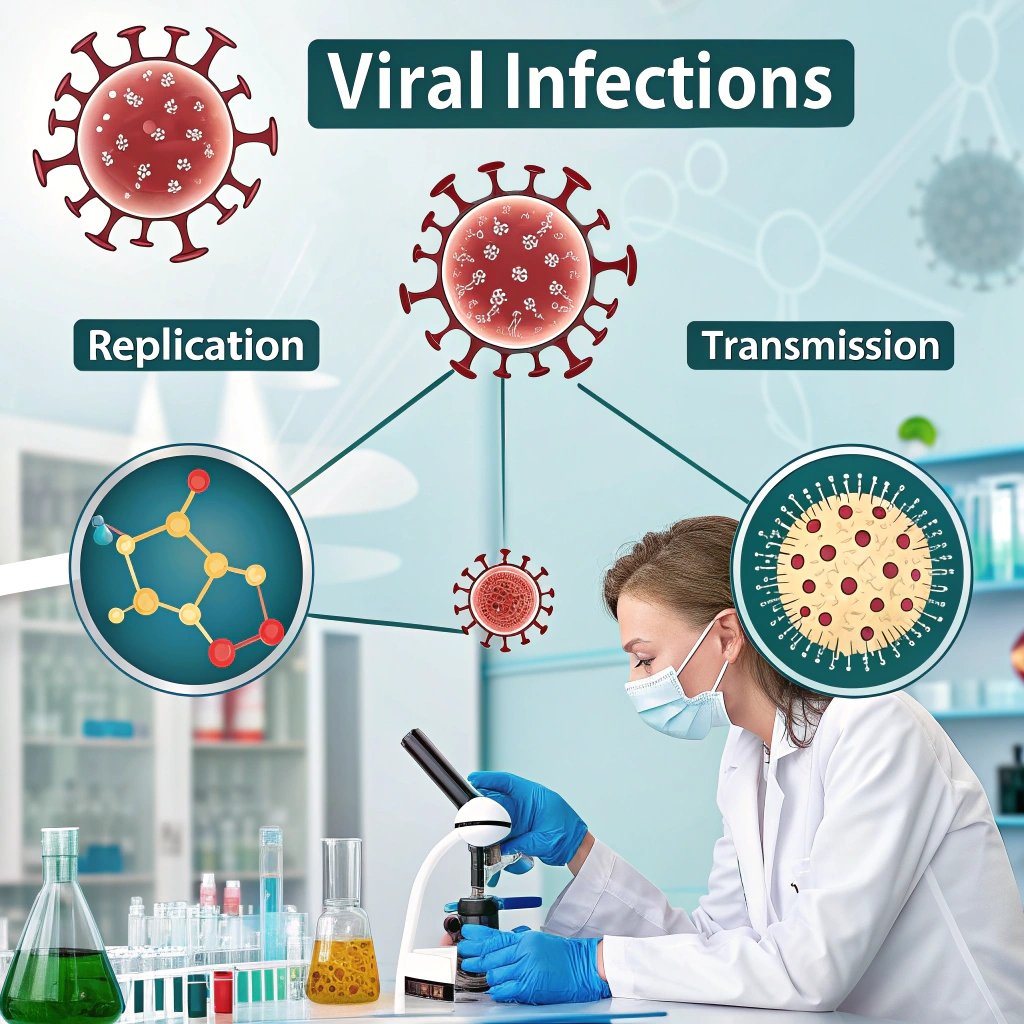
If you’ve ever caught the flu, cold, or chickenpox, you’ve experienced what doctors call a viral infection. But what are viral infections and how do they work? Simply put, viral infections occur when viruses—tiny infectious agents—enter your body, take over your healthy cells, and use them to reproduce. Unlike bacteria, viruses cannot survive or multiply without a host. That’s why they invade living cells and turn them into virus-producing factories.
What Are Viral Infections and How Do They Work Inside the Body?
When a virus enters your body—through your mouth, nose, eyes, or even a small cut—it attaches to specific cells and injects its genetic material (DNA or RNA). The infected cells then start making copies of the virus instead of performing their normal functions. As more viruses multiply, they burst out of the host cells, spreading the infection to neighboring cells.
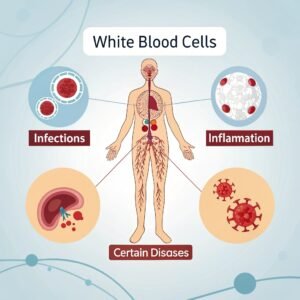
Your immune system immediately responds by producing antibodies and activating white blood cells to attack and destroy the virus. This is why you might develop symptoms like fever, fatigue, cough, or body ache—your body is fighting back.
What Are Viral Infections and How Do They Work in Everyday Illnesses?
Common viral infections include the common cold, flu, chickenpox, measles, hepatitis, and COVID-19. While most are mild and self-limiting, some can cause serious complications if left untreated. Unlike bacterial infections, antibiotics do not work against viruses. Instead, treatment focuses on rest, hydration, balanced nutrition, and in some cases, antiviral medications that slow viral replication.
Vaccines are another powerful defense—they train your immune system to recognize and fight specific viruses before you get sick. Maintaining good hygiene, washing hands often, and avoiding contact with infected individuals are simple yet effective ways to prevent viral spread.
Final Thoughts
Understanding what are viral infections and how do they work helps you protect yourself and others better. Always seek professional advice if symptoms persist or worsen. Prevention, awareness, and timely medical care are your best shields against viral diseases.