Unlocking the Power of Spirulina
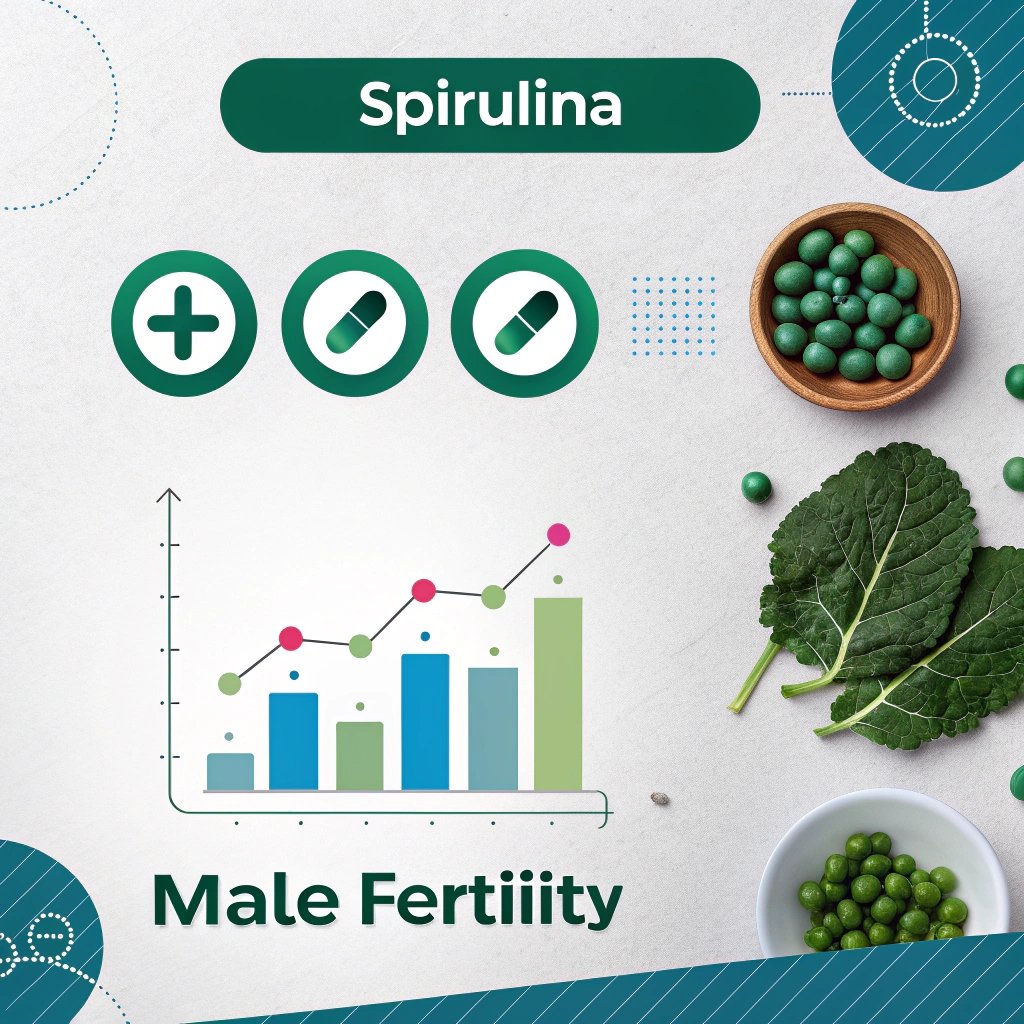
Male reproductive health is closely linked to nutrition, lifestyle, and oxidative stress. Poor diet and chronic stress often reduce sperm quality and testosterone levels. Spirulina and Male Fertility have been widely discussed in scientific research, as this superfood is rich in antioxidants, proteins, and micronutrients essential for reproductive wellness. According to the U.S. National Institutes of Health (NIH), antioxidants like phycocyanin in spirulina help combat oxidative stress, one of the leading causes of reduced sperm motility and quality.
Spirulina and Male Fertility: Nutrient Powerhouse
Spirulina is a blue-green algae rich in vitamins, minerals, and plant proteins. It has high levels of zinc and selenium. Zinc supports sperm shape and movement. Selenium helps increase sperm count. Both nutrients also play a role in testosterone balance. Research from the National Library of Medicine (NIH) confirms these benefits. With this strong mix of nutrients, spirulina naturally supports male reproductive health.
Spirulina and Male Fertility: Hormonal Balance and Blood Flow
Another important aspect of fertility is hormonal balance and proper blood circulation. Spirulina is rich in phycocyanin, a pigment-protein complex with strong antioxidant and anti-inflammatory properties. As reported by government-backed research (NIH), phycocyanin helps maintain hormonal balance and supports vascular health by improving nitric oxide production. Better blood flow ensures that reproductive organs function optimally, thereby improving fertility outcomes in men.
Final Thoughts
Spirulina is more than just a superfood; it is a natural aid to improve male fertility, sperm health, and overall vitality. By reducing oxidative stress, boosting vital minerals like zinc and selenium, and supporting hormonal balance, spirulina plays a strong role in male reproductive wellness. Backed by government research, it offers a safe and natural way to enhance fertility potential.
Healthcare Note: Always consult a healthcare professional before adding new supplements to your routine, especially for fertility or reproductive health concerns.