Making the Right Choice: Health, Environment, and Cost Considerations
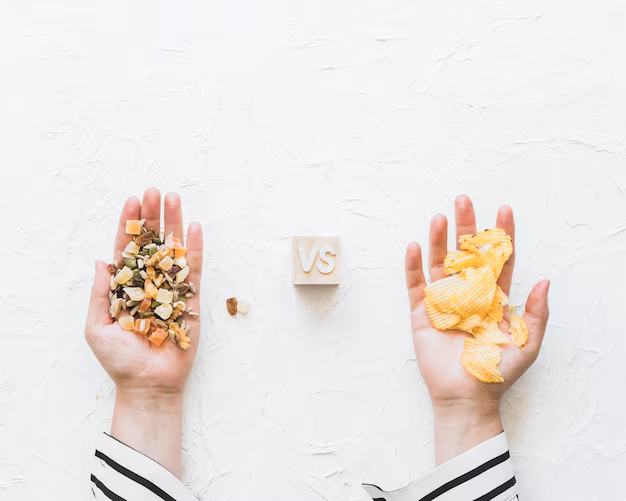
The debate between organic and conventional foods continues to intrigue consumers. Understanding the distinctions between these farming methods is crucial for making informed dietary choices. This discussion delves into nutritional content, safety, environmental impact, and cost, referencing government and scientific research to assess Organic vs. Conventional: Is It Worth It?
Organic vs. Conventional: Is It Worth It for Nutrition and Safety?
Nutritionally, studies reveal minimal differences between organic and conventional produce. A comprehensive review published in Environmental Health found that while organic fruits and vegetables may contain slightly higher levels of certain micronutrients, such as vitamin C, magnesium, and potassium, these differences are not substantial enough to impact overall health significantly.
Regarding safety, both organic and conventional foods are subject to contamination risks. A systematic review in the Annals of Internal Medicine reported no significant difference in Escherichia coli contamination between the two. However, conventional produce had a 30% higher risk of pesticide residue contamination. It’s important to note that the detected pesticide levels in conventional produce were generally within the safety limits established by regulatory agencies.
Organic vs. Conventional: Is It Worth It for Environmental Impact and Cost?
Environmental considerations play a significant role in this debate. Organic farming practices often promote soil health, biodiversity, and reduced chemical usage. However, they may require more land to achieve similar yields as conventional methods, potentially leading to deforestation and habitat loss. Conversely, conventional farming’s efficiency comes with drawbacks, including soil degradation and pesticide runoff, which can harm ecosystems.
Cost is another factor influencing consumer choices. Organic products typically come with higher price tags due to labor-intensive practices and certification expenses. For budget-conscious individuals, purchasing conventional produce and thoroughly washing it to remove pesticide residues can be a practical alternative. Additionally, some conventional produce items, like avocados and bananas, have lower pesticide residues, making them safer choices when organic options are cost-prohibitive.
Conclusion
Deciding between organic and conventional foods depends on personal priorities, including health concerns, environmental impact, and budget constraints. Both farming methods offer safe and nutritious options. Organic foods may be preferable for those prioritizing reduced pesticide exposure and environmental sustainability. However, conventional foods remain a viable and more affordable option for many. Ultimately, consuming a diverse array of fruits and vegetables, regardless of farming method, is essential for maintaining a healthy diet.
NOTE: – IT IS ALWAYS RECOMMENDED TO CONSULT YOUR HEALTH CARE PROFESSIONAL. ALL DATA SHARED HERE ARE FOR EDUCATIONAL PURPOSES ONLY.