What They All Mean & Which Ones Are Healthier: Milk & Milk Alternatives
- Introduction:
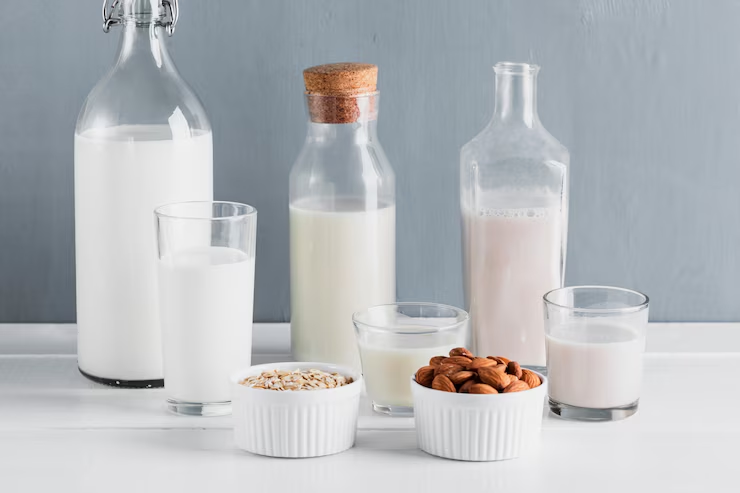
Milk has long been a staple in our diets. However, in recent years, a variety of plant-based alternatives—such as almond, soy, and oat milk—have entered the spotlight. With so many choices available, selecting the healthiest option can feel overwhelming. To make things easier, let’s explore and compare different types of milk and milk alternatives, helping you choose the one that best suits your health needs and lifestyle.
-
Cow’s Milk: The Classic Choice
Cow milk is full of calcium, protein, and vitamin D. It’s excellent for building strong bones and muscles, but some individuals avoid it because of lactose intolerance or dietary choice.
- Advantages: Nutrient-dense, readily available.
- Disadvantages: Has lactose (can cause digestive problems for some).
-
Plant-Based Milk Alternatives
- Almond Milk
Produced from ground almonds and water, it’s calorie low but protein-free.
Best for: Those tracking calories or nut allergy sufferers (except those with almond allergy).
- Soy Milk
A protein-rich alternative to cow’s milk.
Best for: Vegans or high protein requirements.
- Oat Milk
Rich and slightly sweet, perfect for coffee. Has fiber but is high in sugar.
Best for: Those who desire a dairy-free, earth-friendly choice.
- Coconut Milk
Creamy and rich but saturated in fat.
Best for: Cooking or occasional consumption.
- Rice Milk
Least allergenic but extremely low in protein.
Ideal for: Individuals with multiple allergies.
-
Which One is Healthier?
It depends on your needs:
If you’re looking to boost your protein intake, soy or cow’s milk are strong contenders. On the other hand, for those aiming to cut back on calories, almond or rice milk may be better suited. Meanwhile, individuals with digestive concerns might benefit more from lactose-free or oat milk, which tend to be gentler on the stomach.
Conclusion on Milk and Milk Alternatives:
There isn’t a one-size-fits-all answer when it comes to choosing milk. Each option offers unique benefits, depending on your health goals and personal preferences. Whether you prefer the richness of traditional cow’s milk or the plant-based appeal of almond or oat milk, the key is to find what aligns best with your lifestyle and nutritional needs.
NOTE: – IT IS ALWAYS RECOMMENDED TO CONSULT YOUR HEALTH CARE PROFESSIONAL. ALL DATA SHARED HERE ARE FOR EDUCATIONAL PURPOSES ONLY.