Why It Matters
Magnesium Deficiency in Women is a growing health concern often overlooked in routine checkups. Magnesium is essential for over 300 biochemical reactions in the body, including muscle function, nerve signaling, and energy production. Yet, studies show that many women, especially those with busy lifestyles or dietary restrictions, may not be getting enough of this vital mineral.
Magnesium Deficiency in Women and Daily Health
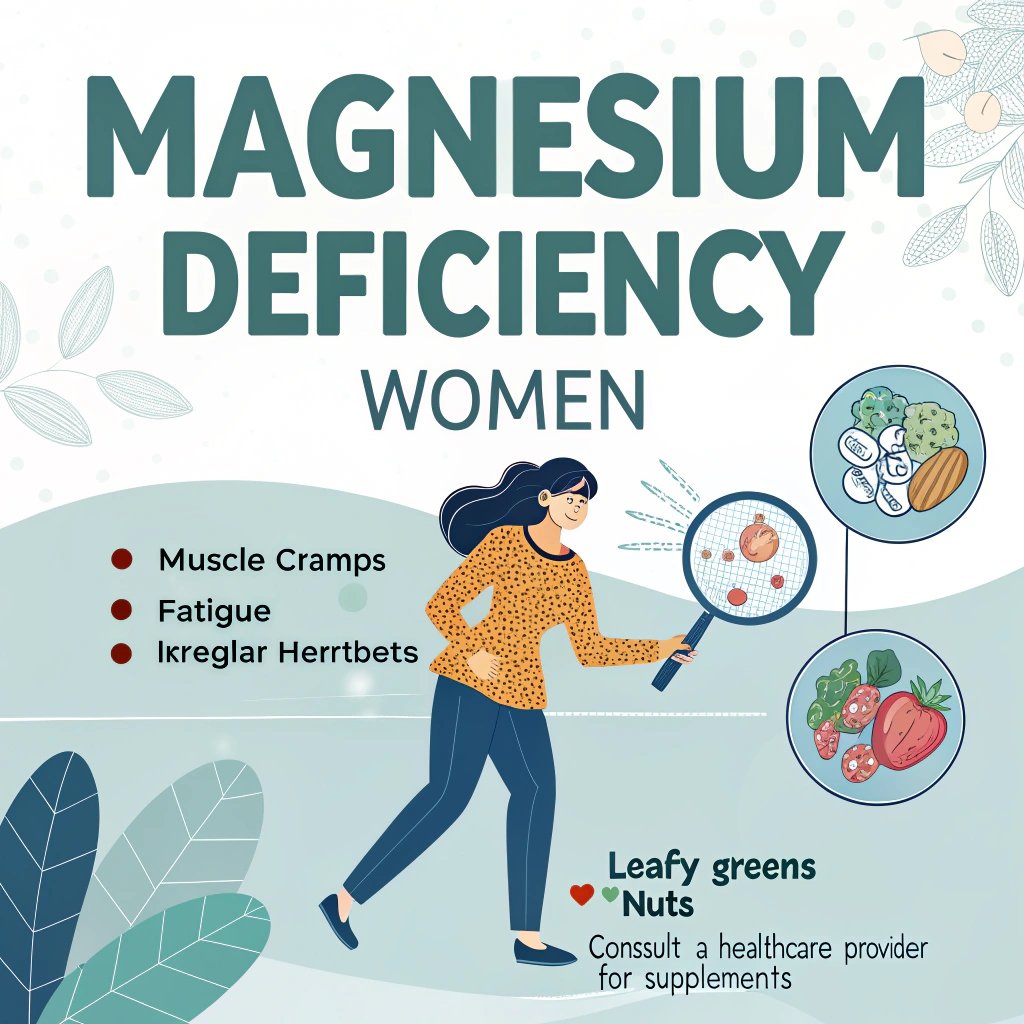
When magnesium levels drop, women can experience symptoms like fatigue, headaches, poor concentration, and muscle cramps. Hormonal changes during menstruation, pregnancy, and menopause can also increase the body’s magnesium needs, making deficiency more common among women. In addition, stress and poor dietary habits further lower magnesium levels, leading to issues such as anxiety, digestive problems, and even heart rhythm disturbances.
According to research published by the National Institutes of Health (NIH), women with low magnesium intake are at higher risk of osteoporosis and metabolic disorders. This shows how critical magnesium is, not just for day-to-day well-being, but also for long-term health.
Magnesium Deficiency in Women and Preventive Care
Doctors recommend incorporating magnesium-rich foods like leafy greens, nuts, seeds, and whole grains into daily diets. However, modern diets often lack these foods, leading to widespread deficiencies. Preventive care involves regular screening, especially for women showing signs of chronic fatigue, frequent cramps, or migraines.
In certain cases, magnesium supplements may be advised, but it’s always important to follow medical guidance to avoid overconsumption. Government-backed research emphasizes that balanced nutrition is the most sustainable way to prevent deficiency and improve women’s overall health outcomes.
Healthcare Note
Always consult a healthcare professional before making dietary or supplement changes. Early recognition and correction of magnesium deficiency can protect women from long-term complications and improve quality of life.