From Tradition to Trends: Where Isabgol Stands Today
We often ask: Isabgol vs. Modern Fiber Supplements—which one truly benefits our health? Governments and health agencies have consistently recommended fiber for digestive, heart, and metabolic wellness. Yet, we still debate whether traditional Isabgol (psyllium husk) outperforms newer synthetic or plant-derived options. Let’s compare their benefits and nuances, guided by authoritative research.
Isabgol vs. Modern Fiber Supplements: Backed by Government Claims
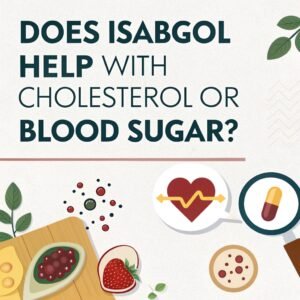
First and foremost, Isabgol earns strong support from government bodies. The U.S. Food and Drug Administration allows health claims stating that consuming 7 g or more per day of psyllium husk soluble fiber may reduce the risk of heart disease — a recognition not extended to many supplements. The FDA also granted a qualified health claim in 2014 acknowledging that psyllium may lower the risk of type 2 diabetes, though evidence remains limited. Additionally, guidelines affirm that viscous, gel-forming fibers like psyllium offer superior benefits for lowering LDL cholesterol and supporting glycemic control, compared to non-viscous alternatives.
Isabgol vs. Modern Fiber Supplements: Clinical Superiority in Practice
Moreover, clinical data confirms Isabgol’s effectiveness. A meta-analysis reviewing fiber supplementation in chronic constipation found that psyllium at doses above 10 g per day significantly improved stool frequency—boosting bowel movements by about three per week—and eased straining, often outperforming osmotic and stimulant laxatives. In contrast, many modern fiber supplements, such as inulin or methylcellulose, may help with general fiber intake but usually lack this level of clinical backing.
Final Thoughts: Choose Wisely and Use Gradually
That said, modern fiber supplements still serve a practical purpose—especially when dietary fiber remains insufficient. Health authorities emphasize that whole-food sources remain best, but supplements like psyllium can fill the gap when needed. Importantly, all fiber—traditional or modern—should be introduced gradually and accompanied by adequate hydration to prevent symptoms like bloating, gas, dehydration, or obstruction.
Conclusion
When weighing Isabgol vs. Modern Fiber Supplements, Isabgol holds a clear edge backed by government health claims, clinical studies, and solid outcomes for digestion, cholesterol, and glucose control. Modern supplements still help meet daily fiber needs, but they rarely match Isabgol’s proven track record. In practice, combining Isabgol with a balanced diet and water intake leads to optimal gut and metabolic health.
NOTE: – IT IS ALWAYS RECOMMENDED TO CONSULT YOUR HEALTH CARE PROFESSIONAL. ALL DATA SHARED HERE ARE FOR EDUCATIONAL PURPOSES ONLY.