
Understanding the Silent Threat of Plastic Exposure
Plastic is everywhere—in our homes, workplaces, oceans, and even inside our bodies. We use it daily without much thought. But have you ever asked yourself, how plastic is killing us? Recent studies reveal shocking truths: microplastics have been found in our blood, lungs, and even the human heart. These tiny particles are not just environmental pollutants—they’re health hazards, too.
How Plastic Is Killing Us: The Toxins Within
How Plastic Is Killing Us: Microplastics in Our Blood
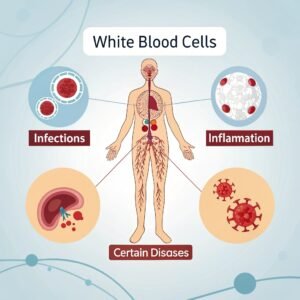
Not all dangers come from visible plastics. Microplastics—tiny fragments smaller than 5mm—are found in drinking water, seafood, and even household dust. Once inside our bodies, these particles may trigger inflammation and weaken immune function. In 2023, scientists found microplastics in human arteries, and those individuals had a significantly higher risk of heart attacks and strokes. This clearly shows that plastic pollution is not just an environmental issue—it’s a public health emergency.
What Can We Do?
We can reduce our exposure by switching to glass or stainless steel containers, avoiding heating food in plastic, and supporting bans on single-use plastics. Additionally, staying informed and spreading awareness helps drive change at both personal and policy levels.
Healthcare Note:
If you’re concerned about the health effects of plastic exposure, consult a healthcare provider for advice on detoxification and lifestyle changes to reduce risks.