
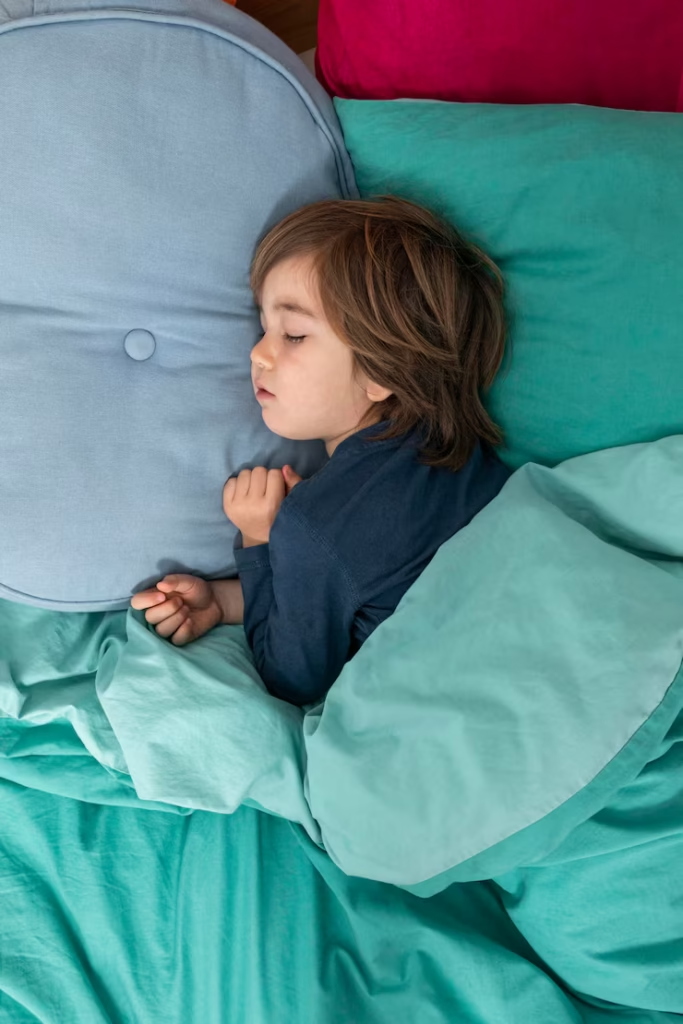
The Importance of Sleep for Growing Kids: How Much Sleep Does Your Child Really Need?
Every parent understands that a rested child is a joyful child. But How much sleep does your child really need? Sleep is extremely important to your child’s development, learning, and mood. Without enough sleep, they can become cranky, have difficulty concentrating, and even get sick. So let’s take a closer look at How much sleep does your child really need?
Recommended Sleep by Age
The American Academy of Pediatrics experts recommend the following daily sleep (including naps) guidelines:
- Newborns (0-3 months): 14–17 hours
- Infants (4-12 months): 12–16 hours
- Toddlers (1-2 years): 11–14 hours
- Preschoolers (3-5 years): 10–13 hours
- School-age (6-12 years): 9–12 hours
- Teens (13-18 years): 8–10 hours
Younger children require more sleep since their brains and bodies are rapidly developing. As they mature, the amount of time spent asleep lessens, but the quality of sleep continues to matter.
Signs Your Child Isn’t Getting Enough Sleep
Is your child frequently irritable, having difficulty at school, or difficulties waking up? These may be indicators of sleep deprivation. Other warning signs are:
- Often tantrums
- Having a hard time concentrating
- Being overly active (surprisingly, some children become more hyper when exhausted)
- Drifting off to sleep during short rides
If you see these signals, altering bedtime habits or length of sleep might make the difference.
Tips for Improved Sleep
- Establish a Consistent Bedtime – A consistent sleep schedule assists in governing their internal clock.
- Establish a Relaxing Routine – A bath or book can be your cue to wind down.
- Restrict Screen Use Before Bed – Blue light from screens can interfere with sleep.
- Make Sure Your Sleep Environment Is Comfortable – A cool, dark, and quiet room will lead to better rest.
Conclusion: Sleep is just as important as nutrition and exercise for your child’s well-being. By ensuring they get the right amount of rest, you’re setting them up for better health, mood, and success in school. Pay attention to their sleep habits and adjust as needed because a well-rested child is a thriving child!
NOTE: – IT IS ALWAYS RECOMMENDED TO CONSULT YOUR HEALTH CARE PROFESSIONAL. ALL DATA SHARED HERE ARE FOR EDUCATIONAL PURPOSES ONLY.