
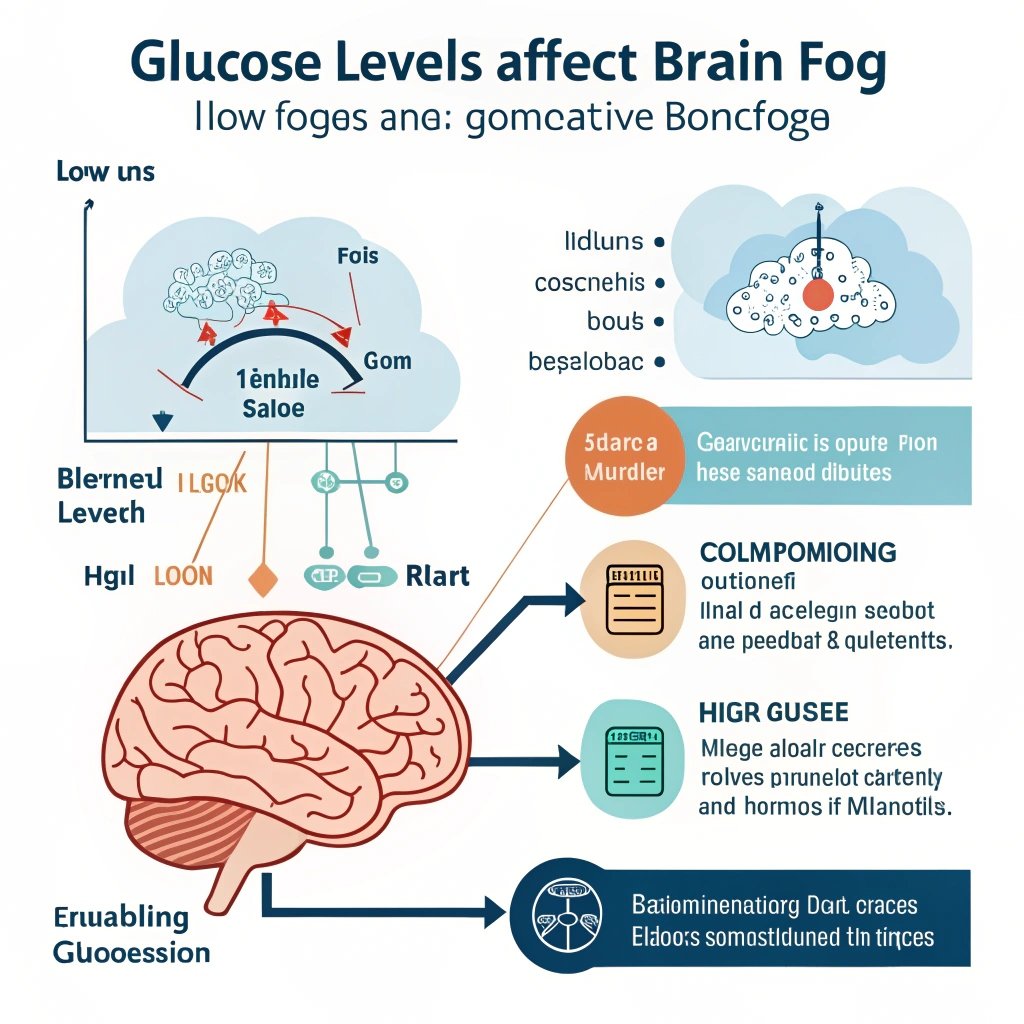
Understanding How Glucose Levels Affect Brain Fog
Have you ever felt mentally sluggish, forgetful, or unable to concentrate? This frustrating state, commonly referred to as brain fog, might be linked to an unexpected culprit—your blood sugar. Yes, how glucose levels affect brain fog is more than just a theory. It’s a science-backed insight that explains why your brain may not be functioning at its best.
Glucose, a type of sugar, is the brain’s primary energy source. When glucose levels are stable, your brain performs smoothly. However, fluctuations—especially spikes and crashes—can lead to cloudy thinking, fatigue, and poor memory. When you consume high-sugar foods, glucose levels shoot up, triggering a surge of insulin. This often results in a rapid drop in blood sugar, leaving you feeling drained and mentally foggy.
The Science Behind How Glucose Levels Affect Brain Fog
Brain fog often occurs when the brain doesn’t get the energy it needs or when it’s overwhelmed by erratic sugar supply. Low glucose levels (hypoglycemia) deprive neurons of energy, leading to confusion, irritability, and mental fatigue. On the other hand, consistently high levels (hyperglycemia) can cause inflammation and oxidative stress, damaging brain cells and impairing communication between neurons.
Moreover, insulin resistance—a condition linked to prediabetes and type 2 diabetes—can worsen cognitive function. Since insulin helps regulate glucose entry into brain cells, resistance limits glucose absorption, causing mental sluggishness. This is why people with diabetes often report more frequent episodes of brain fog.
Managing Brain Fog Naturally
To prevent brain fog, aim for stable glucose levels throughout the day. Focus on complex carbs, fiber-rich foods, and healthy fats that slow sugar absorption. Avoid sugary snacks and processed foods that trigger spikes. Regular exercise and hydration also play crucial roles in regulating blood sugar.
In short, how glucose levels affect brain fog should not be overlooked. Your dietary choices directly influence your cognitive clarity and mental energy.
Healthcare Note:
Always consult your doctor before making changes to your diet or managing symptoms of brain fog, especially if you have diabetes or other metabolic conditions.