What Are Plastics in Cosmetics?
When you think of plastic pollution, you might picture bottles and bags, but plastics are also hiding in your cosmetics and personal care products. These tiny plastics, known as micro plastics, are not just bad for the environment—they can also affect your health. Here’s what you need to know. Hidden Dangers: Plastics in Personal Care Products.
Plastics aren’t just in bottles and bags—they’re hidden in your cosmetics and personal care products too. These micro plastics are harmful to the environment and your health.
Micro plastics (like polyethylene and polypropylene) are added to products like face scrubs and shampoos as exfoliates and thickeners. While they seem harmless, they can cause lasting damage.
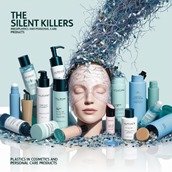
Environmental Impact: Hidden Dangers: Plastics in Personal Care Products
When you rinse off products with microplastics, they enter water systems, polluting rivers and oceans. They don’t break down and harm marine life, eventually entering our food chain. These tiny plastic particles are too small to be filtered out by most wastewater treatment plants, so they flow directly into natural water bodies. Marine animals often mistake them for food, leading to internal damage, reproductive issues, and even death. Over time, these plastics accumulate in fish and shellfish—foods humans consume regularly. As a result, we unknowingly ingest microplastics, which may pose risks to human health, including hormone disruption and inflammation. Choosing plastic-free products helps protect not only the environment but also our own well-being.
Health Risks: Hidden Dangers: Plastics in Personal Care Products
Micro plastics can enter our bodies through food, water, and air, potentially causing:
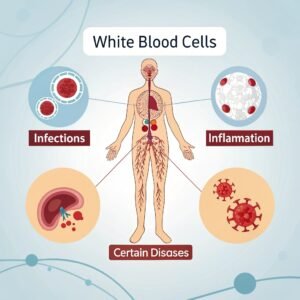
- Inflammation
- Hormonal Disruption (from BPA, phthalates)
- Toxic Build-Up
How to Avoid Micro plastics
- Check labels for ingredients like polyethylene or polypropylene.
- Use products with natural exfoliates (oatmeal, salt).
- Choose plastic-free brands and packaging.
Switch to plastic-free cosmetics to protect your health and the environment.
NOTE: – IT IS ALWAYS RECOMMENDED TO CONSULT YOUR HEALTH CARE PROFESSIONAL. ALL DATA SHARED HERE ARE FOR EDUCATIONAL PURPOSES ONLY.