
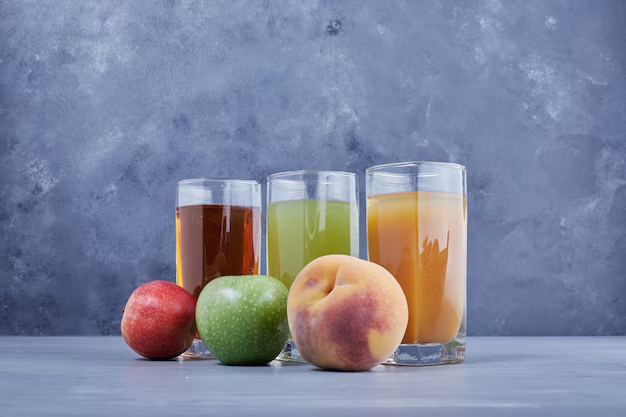
Whole Fruits vs. Fruit Juice: What Should You Choose?
When considering the question, “Fruit Juice or Fruit: Which One is Better for You?”, it’s essential to examine their nutritional profiles and health impacts. Both options offer unique benefits, but understanding their differences can guide healthier choices.
Nutritional Differences
Whole fruits pack dietary fiber, which supports digestion, keeps you full, and stabilizes blood sugar. In contrast, juicing removes most of this fiber, causing faster sugar absorption and potential spikes. The Mayo Clinic states that while fruit juices retain many vitamins and minerals, they lack the essential fiber found in whole fruits.
Health Implications of Fruit Juice Consumption
Drinking moderate amounts of 100% fruit juice can fit into a healthy diet. A Nutrients study found that up to 8 ounces daily does not increase the risk of hypertension or diabetes. However, consuming 24 ounces or more raises hypertension risk. Excess juice intake also contributes to weight gain and dental problems due to its high sugar content.
Advantages of Whole Fruits
Incorporating whole fruits into your diet provides essential nutrients and fiber, contributing to overall health. The fiber content in whole fruits helps you feel full with fewer calories and supports heart health by reducing cholesterol levels. Furthermore, consuming whole fruits has been associated with a reduced risk of chronic diseases, including heart disease and certain cancers.Stanford Medicine Children’s Health
Conclusion
Whole fruits provide more comprehensive health benefits because they contain fiber and have a lower glycemic impact. While you can include moderate amounts of 100% fruit juice in a balanced diet, choosing whole fruits is the better option for optimal health. To stay healthy, always watch your portion sizes and maintain a well-balanced diet.
NOTE: – IT IS ALWAYS RECOMMENDED TO CONSULT YOUR HEALTH CARE PROFESSIONAL. ALL DATA SHARED HERE ARE FOR EDUCATIONAL PURPOSES ONLY.