The Role of Fatty Acids in Cardiovascular Wellness
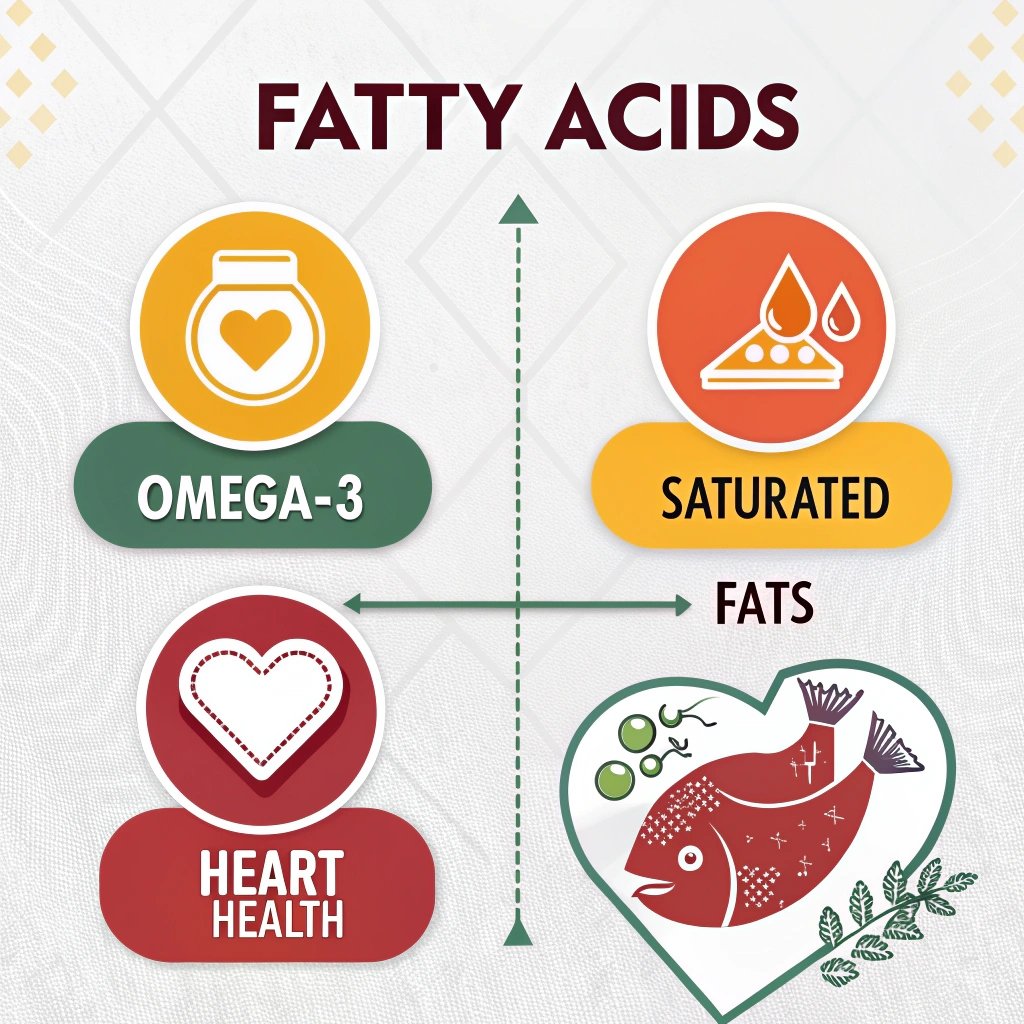
Fatty acids and heart health are strongly connected, as healthy fats play a vital role in maintaining cardiovascular function. Research from the National Institutes of Health highlights that omega-3 fatty acids, in particular, support lower blood pressure, reduce triglyceride levels, and decrease the risk of heart disease. Including the right types of fatty acids in your daily diet can protect your heart and improve overall circulation.
Omega-3 Fatty Acids and Heart Health Benefits
Omega-3 fatty acids, mainly found in fish, flaxseeds, chia seeds, and walnuts, are proven to reduce inflammation in blood vessels. They help lower harmful LDL cholesterol while increasing beneficial HDL cholesterol. According to the American Heart Association, regular intake of omega-3s reduces the risk of arrhythmias and sudden cardiac death. By balancing omega-3 and omega-6 intake, you can promote healthier arteries and improved heart rhythms.
Choosing the Right Fatty Acids for Heart Health
Not all fats are harmful. Saturated and trans fats, often present in processed foods, may increase the risk of plaque buildup in arteries. However, unsaturated fatty acids—such as monounsaturated fats in olive oil and polyunsaturated fats in seeds and fish—actively support heart health. Transitioning from unhealthy fats to heart-protective ones is a simple yet powerful lifestyle change. Adding more omega-3-rich foods or supplements can help maintain optimal cardiovascular function.
Healthcare Note: Always consult a healthcare professional before starting any fatty acid supplements, especially if you have existing heart conditions or take medications for cholesterol, blood pressure, or clotting.