Managing Memory Decline Through Everyday Nutrition
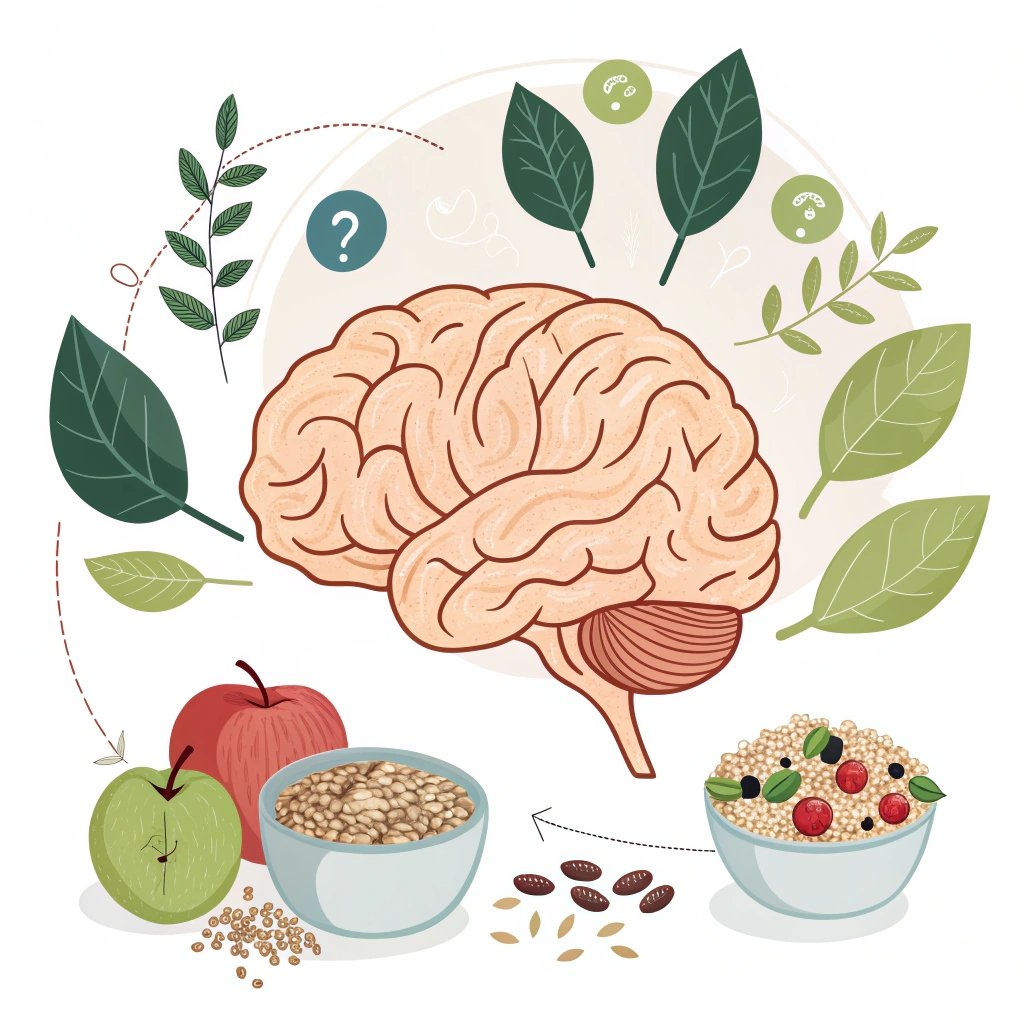
Does Soluble Fiber Help with Memory Loss? This question is gaining attention as scientists uncover the strong link between diet and brain health. Soluble fiber, found in foods like oats, apples, legumes, and citrus fruits, dissolves in water to form a gel-like substance in the gut. Beyond aiding digestion, it plays a vital role in controlling blood sugar, reducing cholesterol, and now, emerging research suggests, supporting memory and cognitive function.
How Does Soluble Fiber Help with Memory Loss?
Soluble fiber works through the gut-brain axis, a pathway where gut health directly influences brain function. According to the National Institutes of Health (NIH) and studies published on PubMed, soluble fiber feeds beneficial gut bacteria, which then produce short-chain fatty acids (SCFAs) like butyrate. These SCFAs reduce brain inflammation, improve communication between neurons, and protect against cognitive decline. Research also shows that higher intake of soluble fiber lowers the risk of developing dementia and may delay the onset of memory-related symptoms.
Why Focus on Soluble Fiber for Memory Loss?
Memory loss, especially in Alzheimer’s disease, is linked to inflammation, oxidative stress, and poor vascular health. Soluble fiber addresses all three. By stabilizing blood sugar levels, it reduces spikes that damage brain cells. By lowering cholesterol, it improves blood flow to the brain. Furthermore, government-backed studies highlight that people with higher dietary fiber intake, particularly soluble fiber, have a lower incidence of dementia. This evidence makes soluble fiber an accessible and natural way to support long-term brain health.
Practical Ways to Add Soluble Fiber
Incorporating soluble fiber is simple. Add oats or barley to breakfast, snack on apples or pears, use legumes in meals, and include vegetables like carrots and sweet potatoes daily. Gradually increasing fiber intake while staying hydrated ensures digestive comfort. For older adults, small dietary changes can build up to significant improvements in overall health and potentially slow memory decline.
Healthcare Note:
Dietary changes are supportive, not curative. If you or your loved one experiences memory loss, consult a healthcare professional for proper diagnosis and treatment. A high-fiber diet should complement, not replace, medical care.