Cultural Myths About Pain and Masculinity: The Strong, Silent Stereotype
From childhood, boys are told to “man up,” “don’t cry,” and “be strong.” These phrases may seem harmless, but they reflect deep-rooted cultural myths about pain and masculinity. Over time, these myths shape how men experience, express, and even respond to pain — physically and emotionally. Understanding how these beliefs impact health and well-being is more important than ever.
Cultural Myths About Pain and Masculinity: The Strong, Silent Stereotype
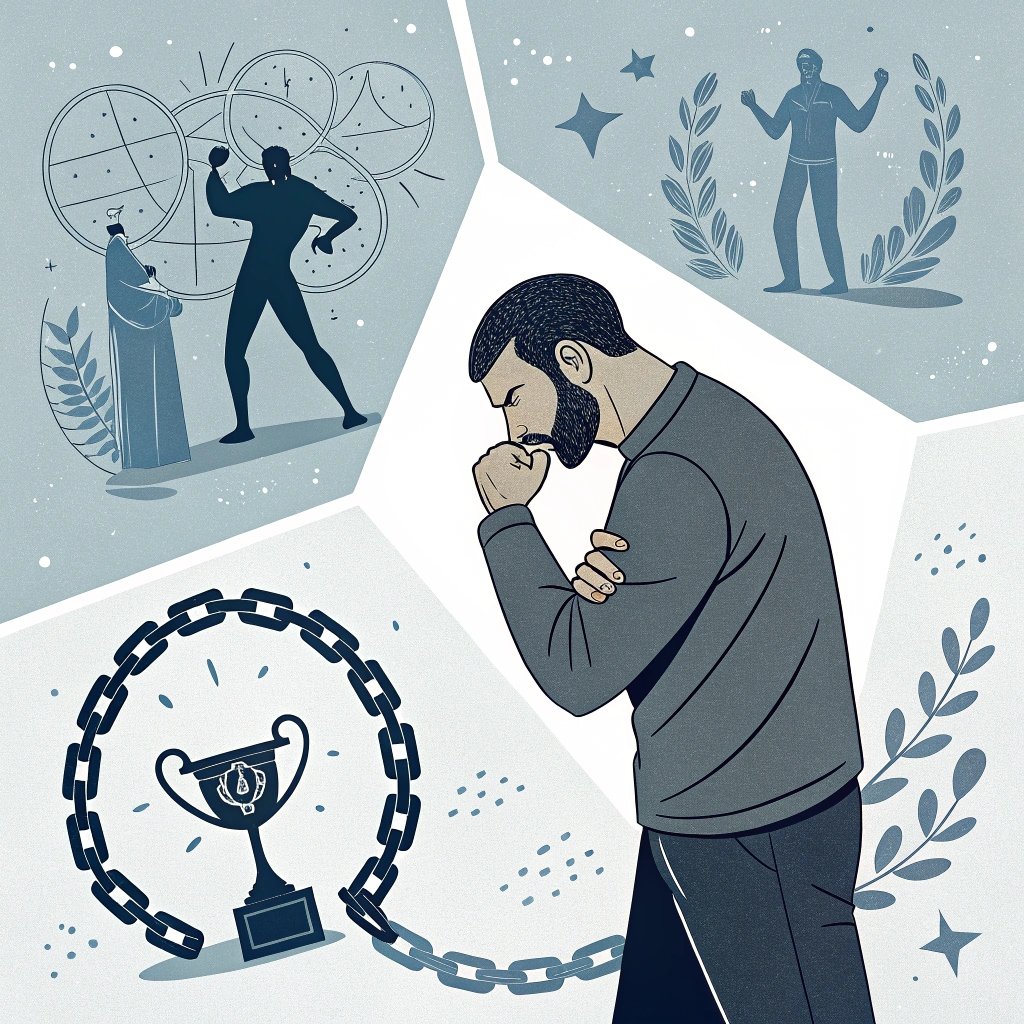
One of the most damaging cultural myths is the idea that “real men” don’t show weakness. This stereotype pressures men to hide discomfort, suppress emotions, and delay seeking help. As a result, many men underreport their pain — whether it’s physical injuries or mental health struggles like depression or anxiety.
This silence doesn’t just affect individual men. It creates dangerous delays in diagnosis and treatment. In some cases, it leads to chronic conditions worsening over time simply because the pain wasn’t taken seriously — not by doctors, and not by the men themselves.
Cultural Myths About Pain and Masculinity: Rewriting the Narrative
To challenge these cultural myths, society needs to redefine what strength looks like. Strength isn’t just enduring pain in silence — it’s knowing when to speak up, seek support, and take care of your body. Educating boys and men that vulnerability is not weakness but part of being human can shift the conversation.
Thankfully, more public figures and athletes now speak openly about their pain — physical and emotional — helping to break down harmful stigmas. These honest voices are paving the way for healthier, more balanced models of masculinity.
In Conclusion
Cultural expectations around masculinity and pain are changing — slowly but surely. By addressing and questioning cultural myths, we open doors to better health, stronger relationships, and a future where no one has to suffer in silence just to appear “tough.”
NOTE: – IT IS ALWAYS RECOMMENDED TO CONSULT YOUR HEALTH CARE PROFESSIONAL. ALL DATA SHARED HERE ARE FOR EDUCATIONAL PURPOSES ONLY.