Naturally, Lower Your BP! How to Lower Blood Pressure Naturally!
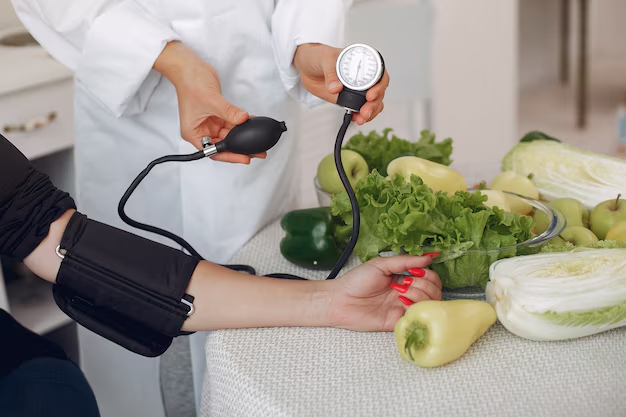
High blood pressure (hypertension) is a common health issue that can lead to serious complications if untreated. Here’s a powerful way to manage it naturally.
-
Eat a Healthy Diet: How to Lower Blood Pressure Naturally!
- Focus on the DASH Diet: The Dietary Approaches to Stop Hypertension (DASH) emphasizes whole grains, fruits, vegetables, and low-fat dairy while reducing saturated fats and cholesterol.
- Reduce Sodium Intake: Limit salt to under 1,500–2,300 mg per day. Opt for fresh foods over processed ones to avoid hidden sodium.
-
Stay Physically Active
- Regular Exercise: Aim for 30 minutes of moderate aerobic activity, such as walking, jogging, or cycling, 5–7 days a week. Exercise helps strengthen the heart and improve blood circulation.
-
Maintain a Healthy Weight
- Losing even a small amount of weight can significantly reduce BP. Focus on combining a balanced diet with physical activity for sustainable results.
-
Reduce Stress: How to Lower Blood Pressure Naturally!
- Practice Relaxation Techniques: Meditation, deep breathing, and yoga can lower stress hormones that may elevate blood pressure.
- Prioritize Sleep: Poor sleep is linked to hypertension. Establish a sleep routine and aim for 7–8 hours of quality sleep.
-
Include Heart-Healthy Nutrients
- Potassium: Found in bananas, spinach, and sweet potatoes, potassium counteracts the effects of sodium.
- Magnesium: Promotes healthy blood flow; found in nuts, seeds, and whole grains.
- Omega-3 Fatty Acids: In fatty fish like salmon, they help reduce inflammation and lower blood pressure.
-
Cut Back on Caffeine
- While caffeine’s effects vary, excessive consumption may temporarily spike BP. Monitor your response to caffeinated drinks like coffee or energy drinks.
-
Stay Hydrated
- Drink plenty of water throughout the day to maintain optimal blood flow and support overall heart health.
Implementing these steps can naturally lower your blood pressure and enhance your overall health. Always consult your healthcare provider for advice, especially if you’re on medication or have underlying conditions.
NOTE: – IT IS ALWAYS RECOMMENDED TO CONSULT YOUR HEALTH CARE PROFESSIONAL. ALL DATA SHARED HERE ARE FOR EDUCATIONAL PURPOSES ONLY.