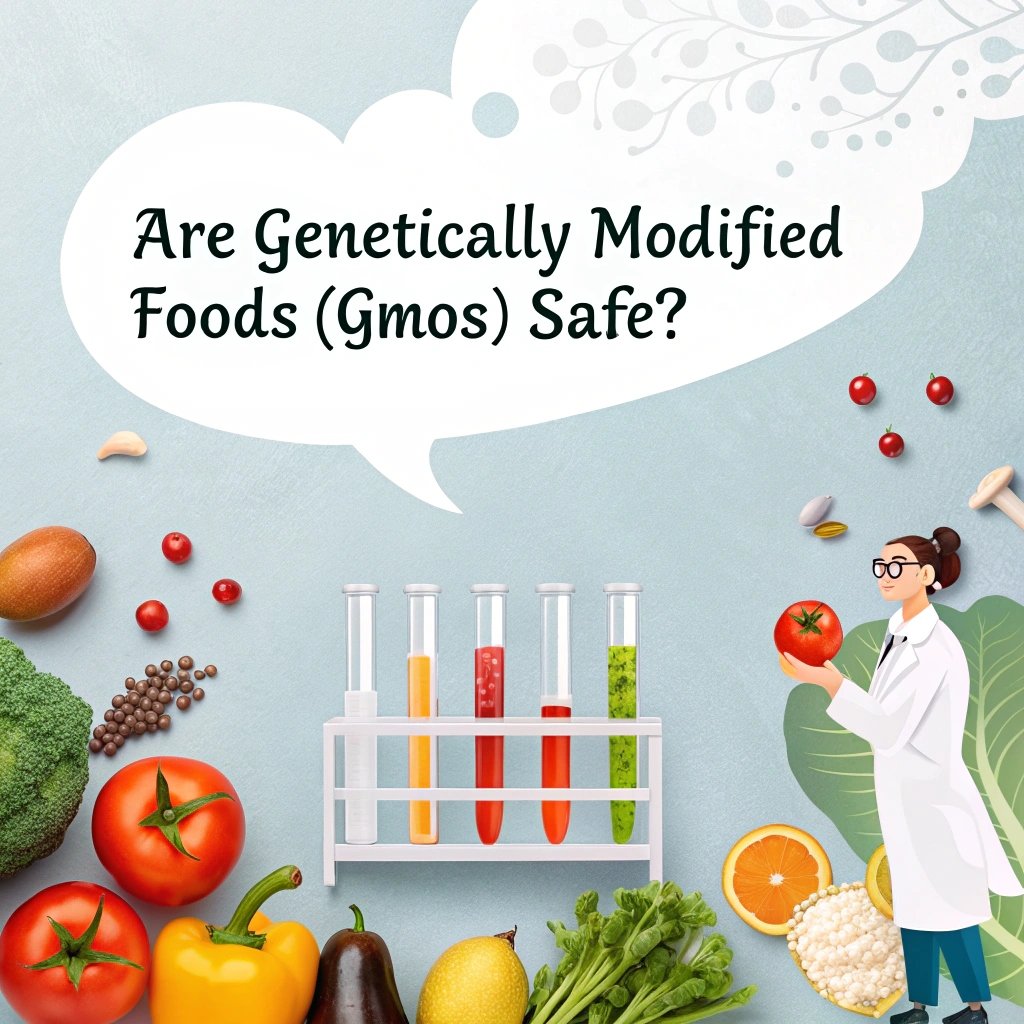
When it comes to what we eat, few topics spark as much debate as genetically modified foods (GMOs). These foods are created by altering the DNA of plants or animals to enhance certain traits—like resistance to pests, longer shelf life, or better nutrition. But the big question remains: Are genetically modified foods (GMOs) safe? Research from major health organizations worldwide, including the WHO and FDA, suggests that GMOs currently on the market are safe to eat. Yet, consumer concerns about long-term effects and environmental impact continue to grow.
Understanding What Genetically Modified Foods (GMOs) Are
To understand whether they are safe, it helps to know what genetically modified foods (GMOs) actually are. Scientists use genetic engineering to introduce specific genes into crops to improve yield and reduce losses from pests or droughts. For instance, Bt cotton and corn produce natural insect resistance, reducing pesticide use. Similarly, golden rice is enriched with vitamin A to fight deficiency. While these benefits are clear, many still question if altering natural genes could cause allergies, toxicity, or ecological imbalance. However, numerous studies have found no significant health risks linked to approved GMOs.
Evaluating the Safety and Benefits of GMOs
Now, let’s address the real concern — are genetically modified foods (GMOs) safe for long-term consumption? Current evidence shows that GMO foods undergo rigorous safety testing before reaching the market. These tests evaluate potential allergens, toxins, and nutritional differences compared to non-GMO foods. In fact, GMOs may even offer benefits such as improved nutrition, reduced food waste, and enhanced food security. Still, transparency in labeling and continued research are essential so consumers can make informed choices.
The Balanced Approach
Like most technologies, GMOs have both pros and cons. They can support sustainable agriculture, but overuse of modified seeds or herbicides may harm biodiversity. A balanced, science-based approach—combined with responsible regulation—is the key.
So, the next time you see a GMO label, remember that safety is not just about modification, but also about how responsibly it’s managed.