Creative and Healthy Ways to Cook with Moringa Leaves and Powder
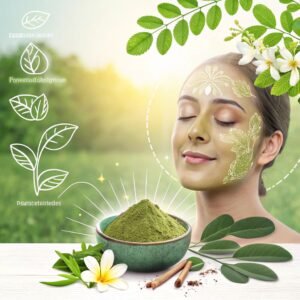
Moringa, often called the “miracle tree,” is gaining popularity as a nutrient-rich superfood. But beyond supplements and teas, many people now ask: How to use moringa in cooking? The good news is, moringa is versatile, flavorful, and easy to incorporate into everyday meals. According to the USDA and the National Institutes of Health (NIH), moringa leaves are a rich source of vitamins A, C, and E, calcium, iron, and antioxidants—making them a valuable addition to any diet.
How to Use Moringa in Cooking? – Everyday Meals
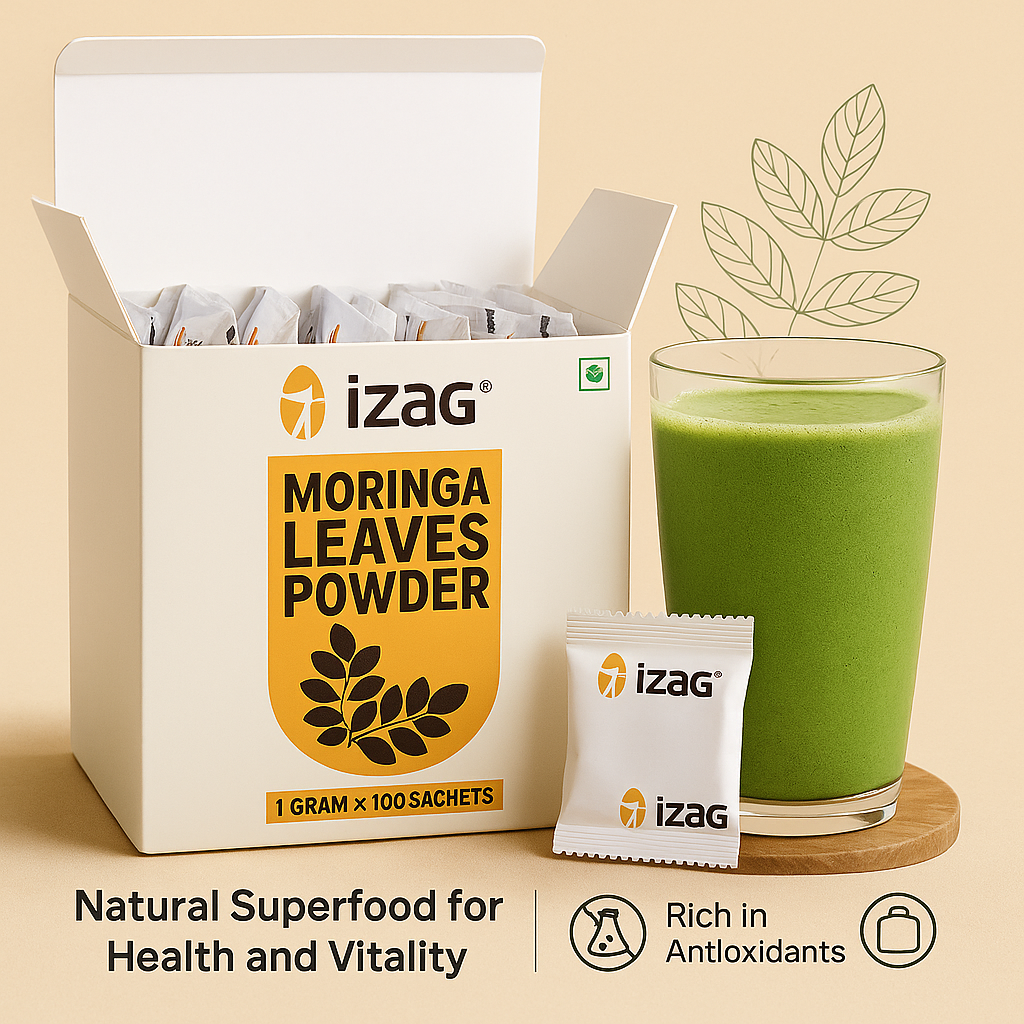
You can add moringa powder or fresh leaves to a wide range of dishes. Start with smoothies by blending 1 teaspoon of moringa powder with fruits like banana or mango. The mild, earthy flavor pairs well with tropical ingredients. In savory dishes, sprinkle moringa powder into soups, stews, and curries at the end of cooking to preserve nutrients. You can also stir it into salad dressings, dips, or sauces for a health boost.
If you have access to fresh moringa leaves, sauté them like spinach with garlic and olive oil. They work well in omelets, rice dishes, and even pasta. A study supported by the USDA noted that moringa leaves retain most of their nutritional value even when lightly cooked, making them perfect for warm meals.
How to Use Moringa in Cooking? – Baked Goods and Snacks
For a creative twist, try using moringa powder in baking. Add it to muffins, pancakes, or energy balls for a nutrient-dense snack. You only need 1–2 teaspoons per batch to gain the health benefits without overpowering the flavor.
Additionally, government-backed nutrition programs in countries like India and Kenya promote moringa-fortified school meals, proving that the plant can be both practical and powerful in combating malnutrition.
In summary, knowing how to use moringa in cooking opens up a world of delicious and nutritious possibilities. Whether you use the powder or fresh leaves, moringa can enrich your meals while supporting better health — all backed by credible science and global food initiatives.
NOTE: IT IS ALWAYS RECOMMENDED TO CONSULT YOUR HEALTHCARE PROFESSIONALS. ALL INFORMATION SHARED HERE IS FOR EDUCATIONAL PURPOSES ONLY.