How Hormonal Shifts Impact Blood Sugar Control
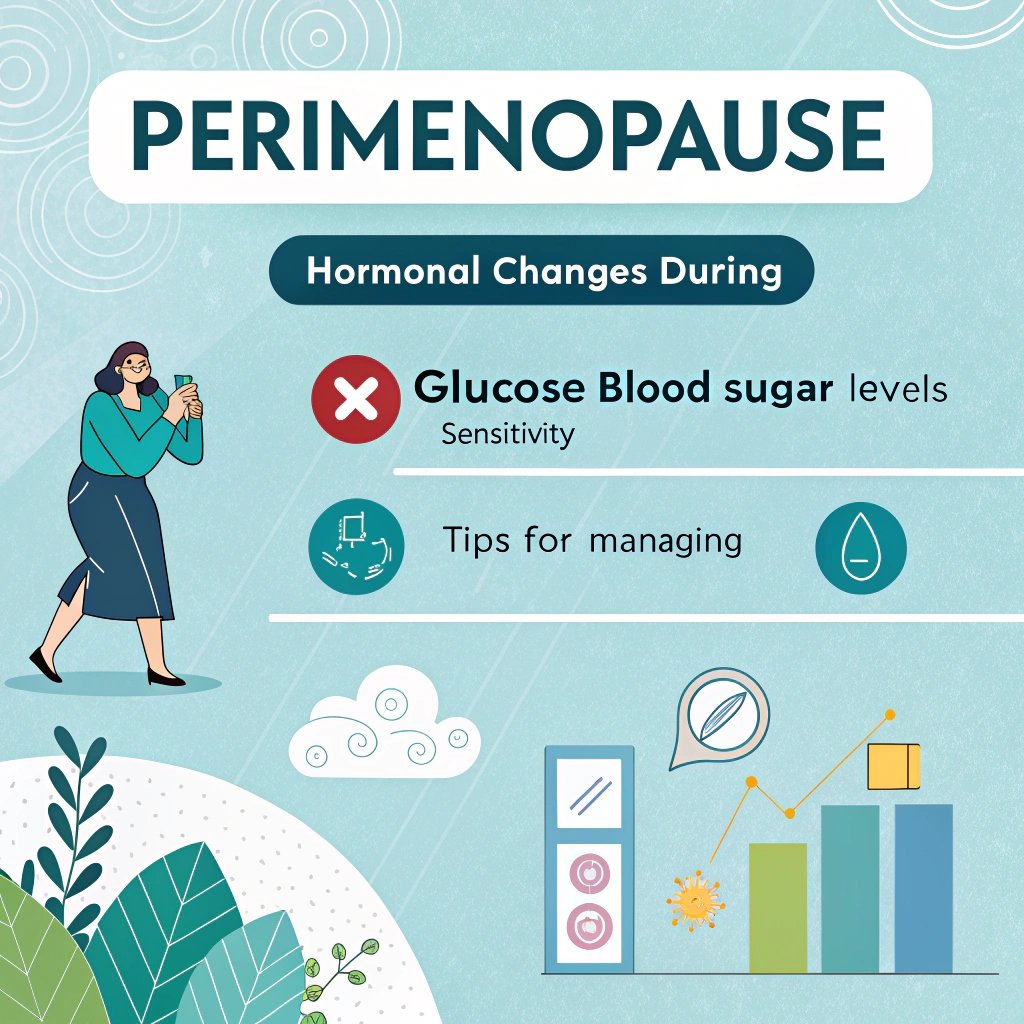
During the transition to menopause, many women begin to notice unexpected changes in their metabolism. Perimenopause and glucose sensitivity are closely linked, as fluctuating estrogen and progesterone levels directly influence how the body processes sugar. According to research from the National Institutes of Health (NIH), declining estrogen may lead to insulin resistance, making it harder for cells to absorb glucose efficiently. This can result in elevated blood sugar, fatigue, and even increased fat storage around the abdomen.
Perimenopause and Glucose Sensitivity: The Hormonal Connection
Estrogen plays a vital role in regulating insulin sensitivity. As estrogen levels decline during perimenopause, insulin function becomes impaired, which may raise fasting glucose levels. A study published by the National Library of Medicine reports that women in perimenopause experience a higher risk of developing prediabetes and Type 2 diabetes compared to younger women. This is particularly concerning because many women remain unaware that hormonal imbalances could be silently affecting their metabolic health.
Moreover, symptoms such as night sweats, disrupted sleep, and mood swings can indirectly affect dietary habits and physical activity levels—further complicating blood sugar control. Understanding perimenopause and glucose sensitivity empowers women to take proactive steps in managing their health during this critical phase.
Managing Glucose Sensitivity in Perimenopause
To combat insulin resistance, experts from the Centers for Disease Control and Prevention (CDC) recommend a balanced diet rich in fiber, whole grains, and healthy fats. Regular physical activity, especially resistance training, improves muscle glucose uptake and boosts metabolic flexibility. Stress reduction techniques like yoga and mindfulness are also helpful, as chronic stress raises cortisol, which interferes with insulin.
In some cases, healthcare professionals may suggest blood sugar monitoring or even medication. However, lifestyle changes remain the foundation of effective management.
Healthcare Note:
If you’re experiencing symptoms of perimenopause and suspect blood sugar issues, consult a healthcare provider. Early screening can prevent long-term complications.